

By Mustapha Salisu
The Department of Islamic Studies, Northwest University, Kano, in collaboration with the International Institute of Islamic Thought (IIIT), Nigeria Office, has held its 3rd International Conference themed “Islam and the Dynamics of Nationhood: Navigating the Opportunities and Challenges of Human Rights and Peaceful Coexistence.”
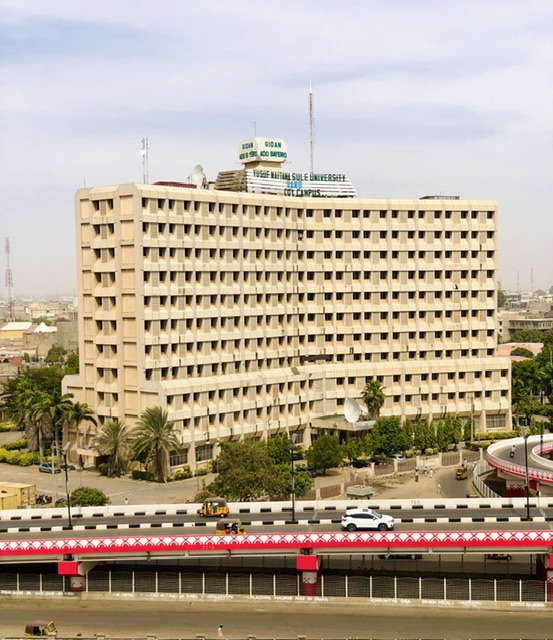
The two-day conference, held from January 20 to 21, 2026, at Professor Hafiz Abubakar Auditorium, City Campus, brought together scholars, academics, policymakers, and students to discuss Islam’s role in promoting peace, unity, and human rights in plural societies.
In her opening remarks, the Vice Chancellor, Professor Amina Salihi Bayero—represented by the DVC Academic, Professor Aisha Garba Habib—commended the organizers and IIIT for their commitment to intellectual development. She emphasized that the theme was timely, reflecting the need for unity and social cohesion in Nigeria’s diverse society.
The chairman of the occasion, Professor Hafiz Abubakar, lauded the collaborative efforts of the university and IIIT, stressing that the conference’s focus aligns with Islam’s principles of justice, accountability, and selflessness. He also urged future inclusion of interfaith leaders and media professionals for broader engagement.
Delivering the keynote address, Ambassador Dr. Safiya Ahmad Nuhu of Bayero University, Kano, highlighted the evolving global order and urged Muslims to define their place within it. She called on scholars to articulate Islam’s stance in shaping the emerging New World Order.
One of the lead paper presenters, Dr. Ovamir Anjum of Ummatics Institute, USA, introduced the idea of “thinking Ummatically and acting locally.” He argued that Muslims could uphold their national identity while maintaining global religious solidarity.
Another lead presenter, Professor Mukhtar Umar Bunza, debunked ethnic misconceptions surrounding the Hausa-Fulani relationship, describing Islam as the glue that has long united diverse groups across West Africa. He underscored that nationalism and Islamic identity can coexist harmoniously.
Over 50 papers were presented across sessions, focusing on themes of peace, social justice, and national security. Discussions explored the role of family, community leadership, and women in building peaceful societies.
At the end of deliberations, participants observed that Islam’s teachings provide viable solutions to national challenges such as corruption, insecurity, and interreligious conflict.
The conference recommended massive sensitization on the Prophetic teachings of peaceful coexistence and the inclusion of Islamic values in public and literary life. It also urged families to uphold Islamic principles, reduce the financial burden of marriage, and empower Muslim women through tailored opportunities.
Participants called for enhanced collaboration between community institutions and government bodies to promote national security and youth engagement.
Scholars were encouraged to study the implications of globalization and the emerging world order on Muslim societies and develop strategies to protect their interests and values.
The communiqué further emphasized the need for unity among Muslims, stronger inter-denominational ties, and the integration of moral values in Hausa literary traditions.
Finally, the organizers recommended that future conferences include more national stakeholders to widen the reach and impact of such intellectual engagements.
The event attracted over 500 participants, marking another milestone in Northwest University’s commitment to scholarship and peacebuilding.