

By Na’ im Sulaiman, AJ
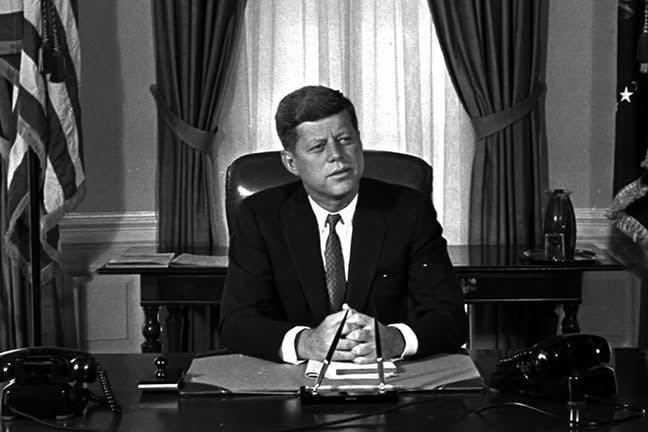
John F. Kennedy emerged on the American political stage at a moment when democratic societies were confronting rapid social change, Cold War tensions, and growing demands for inclusion. Elected as the 35th President of the United States in 1960 at the age of 43, Kennedy became the youngest elected president in U.S. history.
His youth symbolized renewal and possibility, inspiring a new generation to view democratic participation not as a distant ideal but as a personal responsibility.
Kennedy’ s presidency marked a significant shift in the relationship between government and young citizens. Through his rhetoric and policies, he emphasized active civic engagement, famously urging Americans to “Ask Not What Your Country Can Do For You Ask What You CanDo For Your Country.” This call resonated strongly with young people, framing democracy as a participatory process that required energy, commitment, and shared responsibility. His administration actively encouraged youth involvement in public service, most notably through the establishment of the Peace Corps in 1961, which provided young Americans with opportunities to contribute to global development, diplomacy, and humanitarian efforts.
Historically, Kennedy’ s leadership coincided with key democratic struggles, particularly the Civil Rights Movement. While cautious at times, his administration took important steps toward advancing equality, including federal support for desegregation and the proposal of comprehensive civil rights legislation. These actions reflected an evolving understanding of good governance one rooted in inclusion, justice, and the protection of fundamental rights. By aligning democratic values with moral responsibility, Kennedy helped reinforce the idea that governance must serve all citizens, especially marginalized groups.
Kennedy’ s approach to governance also highlighted the importance of informed decision-making and institutional strength. During crises such as the Cuban Missile Crisis, his emphasis on diplomacy, consultation, and restraint demonstrated responsible leadership under pressure. This reinforced public trust in democratic institutions and showcased how effective governance relies not only on authority but on accountability, reason, and ethical judgment.
The positive transformation associated with Kennedy’ s presidency lies less in the length of his tenure and more in the enduring ideals he promoted. He reshaped public expectations of leadership, presenting democracy as dynamic and forward-looking, and youth as essential contributors rather than passive observers. His legacy continues to influence democratic societies by underscoring the power of civic participation, the necessity of inclusive governance, and the transformative potential of engaged and informed youth.
John F. Kennedy exemplified how younger generations can bring fresh perspectives, adaptability, and moral conviction to political institutions. His presidency underscored the importance of empowering young people to engage in democratic processes, shaping policies, and contributing meaningfully to national and global challenges. In doing so, Kennedy remains an enduring representation of the transformative role youth can play in governance and political leadership.