

By Adamu S Ladan
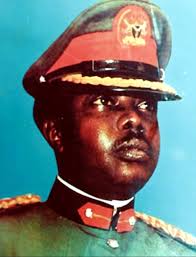
February 13 is not just another date in Nigeria’s history. It is a solemn reminder of the tragic assassination of General Murtala Ramat Mohammed in 1976—an event that shocked the nation and reshaped its political trajectory.
General Murtala Mohammed’s time in office was brief, yet profoundly impactful. In just 200 days, he demonstrated boldness, discipline, and a rare commitment to public accountability.
His administration pursued sweeping civil service reforms, confronted corruption with unusual decisiveness, and asserted Nigeria’s strong voice in African liberation and global affairs. He symbolized courage in leadership and clarity of purpose in governance.
For many Nigerians who grew up in the 1970s, 80s, and 90s, “Murtala Day” was more than a public holiday—it was a moment of patriotic reflection. His speeches echoed on radio stations, and his name became synonymous with integrity, decisiveness, and national pride.
Yet, like all historic figures, his legacy is not without debate. Critics have pointed to the sweeping purge of the civil service under his administration, arguing that thousands were dismissed without sufficient due process and that the abruptness of reforms created administrative uncertainty. Others note that his military style of governance, while decisive, relied heavily on centralized authority and speed, sometimes at the expense of broader consultation and institutional consolidation.
These perspectives remind us that leadership, however visionary, must also be measured against enduring democratic and institutional standards
Nearly five decades later, however, the ideals he championed; transparency, merit, discipline, and unity remain aspirations still being pursued. While Nigeria has made strides in democratic governance and institutional development, persistent challenges such as corruption, inefficiency, and weakened civic values remind us that the work of nation-building is far from complete.
Perhaps even more concerning is the gradual erosion of our collective memory. Beyond his immediate family and a handful of organisations that convened memorial colloquia and issued commemorative commentaries, the day might have passed largely unnoticed across the nation despite its profound historical significance. For many in the younger generation, February 13, 1976 may be little more than a distant date, detached from the lessons and sacrifices it represents. Yet when national tragedies fade from public consciousness, the values they were meant to uphold; unity, sacrifice, courage, and patriotism risk fading with them.
Remembering General Murtala Mohammed should not be an exercise in nostalgia. It should be a call to reflection and renewal. A reminder that leadership demands courage, service requires sacrifice, and patriotism must be lived daily.
As we mark this year’s Murtala Day, may we recommit ourselves to the principles he embodied and strive to build a Nigeria worthy of the sacrifices of its fallen patriots.