

By Sani Khamees
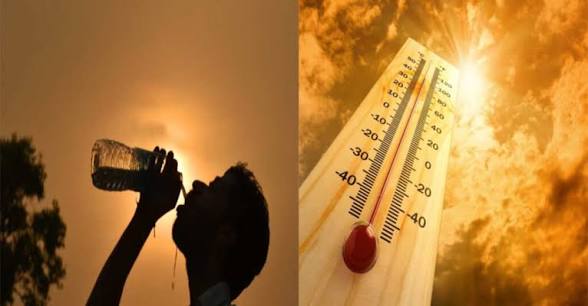
Health and environmental experts have raised alarm over the growing impact of extreme heat on residents of Kano State, warning that rising temperatures linked to climate change are increasingly posing serious public health risks.h
According to health researchers, Kano’s hot semi-arid climate combined with rapid urban growth and population density is making the state particularly vulnerable to heat-related illnesses.
Global data show that heatwaves have caused an estimated 12,000 deaths annually over the past decade, while local health statistics indicate that about 250 heat-related hospital admissions occur per 100,000 residents each year in Kano, highlighting the growing health burden.
Health risks from extreme heat
Medical experts say prolonged exposure to extreme heat can overwhelm the body’s natural temperature regulation system, leading to conditions ranging from mild heat cramps and dizziness to severe cases such as heat exhaustion and heat stroke.
In severe situations, heat stroke can cause organ failure and long-term damage to the central nervous system.
Rising temperatures are also known to worsen existing medical conditions, particularly cardiovascular diseases. Health experts note that heatwaves often trigger an increase in cases of heart failure and heart attacks, resulting in higher hospital admissions and mortality rates.
Respiratory illnesses are another concern, especially in Kano where dust and air pollution already affect air quality.
High temperatures increase the circulation of particulate matter in the air, aggravating breathing problems and increasing the risk of respiratory complications among vulnerable groups.
Experts further warn that pregnant women face heightened risks during extreme heat. Elevated maternal body temperature can increase the likelihood of dehydration, premature contractions, and complications during pregnancy.
Climate change is also linked to mental health challenges. Medical researchers say rising temperatures can disrupt sleep patterns and affect cognitive and emotional stability, worsening existing mental health conditions.
Urban growth intensifying heat exposure
Rapid urban expansion in Kano is further amplifying the problem. With an estimated population of about four million people within the metropolitan area, congestion, traffic emissions, and industrial activities are contributing to rising temperatures and worsening air pollution.
Studies have recorded temperatures as high as 40 degrees Celsius in some parts of the city, while carbon emissions in certain districts exceed levels considered safe for healthy air quality.
Experts say the widespread use of generators, charcoal, and firewood in densely populated neighbourhoods also contributes to indoor heat and pollution.
Experts call for urgent intervention
In response to the growing threat, health and climate advocates are calling for urgent action to protect residents from extreme heat.
Among the key recommendations is heat acclimatization, which involves gradually exposing individuals to higher temperatures to help the body adapt safely.
They also emphasize the importance of establishing early warning systems that can alert communities ahead of heatwaves using meteorological forecasts and real-time data.
Public awareness campaigns through radio, television, and digital platforms are also being encouraged to educate residents on hydration, recognizing symptoms of heat-related illness, and seeking prompt medical care.
Cooling centres and urban planning solutions
Experts are also urging authorities to establish more cooling centres in public facilities such as libraries, schools, and community halls where vulnerable individuals can seek refuge during extreme heat.
Urban planning solutions such as expanding green spaces, planting trees, and promoting cool roofs and reflective pavements have also been recommended to reduce heat absorption across the city.
Environmental planners say such initiatives could significantly lower urban temperatures while improving air quality.
Community participation key
Beyond government action, experts stress that community involvement is critical in managing heat-related disasters.
Neighbourhood initiatives such as checking on elderly residents during heatwaves, providing water to vulnerable individuals, and sharing heat safety information can greatly enhance community resilience.
Training programmes to help residents identify heat-related illnesses and provide basic first aid are also being encouraged.
Integrating heat response into climate policy
Experts say the rising health risks associated with extreme heat highlight the need for a comprehensive heat action plan in Kano State.
Such a plan would involve collaboration between health authorities, urban planners, disaster management agencies, and environmental experts to strengthen climate adaptation strategies.
They warn that without coordinated action, rising temperatures could pose a major threat to public health in one of Nigeria’s fastest-growing urban centres.