

By Ladi Halilu, Ishaya Nenpinmwa and Faiza Yahaya
As preparations for the 2026 Eid celebration gather momentum, a mix of increased commercial activities and economic constraints has defined the festive season across Kano State, with tailors recording a surge in patronage while general market sales remain affected by prevailing economic challenges.
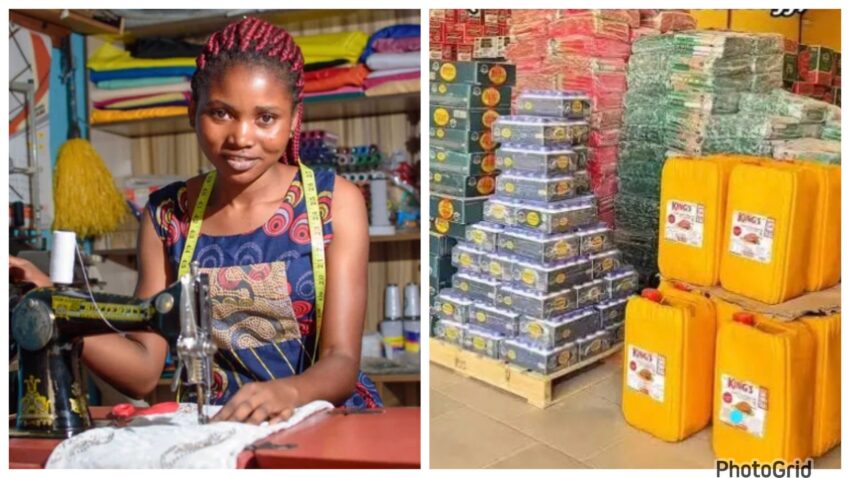
Findings by PRIME TIME NEWS team of reporters, indicate that fashion designers and tailors are experiencing a boom in orders, driven by customers’ desire to appear in new outfits for the celebration.
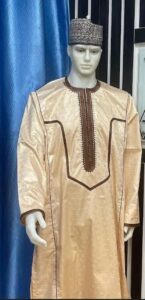
Nellie, owner of a women’s fashion outlet, revealed that demand has significantly improved compared to last year, with customers showing strong preference for Ankara and Adire styles, particularly kaftans and buba designs.
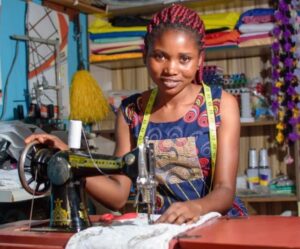
She disclosed that over 40 orders have already been secured, with some clients attending physical fittings while others submit measurements online.
According to her, the pressure to meet deadlines has forced her team to work extended hours, sometimes sleeping in the shop and hiring additional hands to keep up with demand.
Similarly, Alamin, owner of a tailoring outfit, reported a 30 per cent increase in patronage, with about 70 orders recorded so far compared to 50 within the same period last year. He attributed the growth to customers’ attraction to new designs such as “Sallah Elegance” and “Abuja Kaftan.”

 Despite the positive trend, he highlighted several challenges confronting tailors during the peak season, including tight deadlines, high customer expectations, difficulty in sourcing fabrics, and the pressure to maintain quality amid increased workload.
He added that managing multiple orders, fittings and alterations has become increasingly demanding, necessitating overtime work and additional manpower.
Beyond fashion, the food and catering sector is also witnessing increased activity as households and high-profile clients prepare for the festivities.
A caterer, Silas Jibut, who provides a range of services including African and Continental dishes as well as cocktails, disclosed that patronage has risen by about 10 per cent, with three major contracts secured for the season.

 He revealed that one of the notable engagements is with the royal family of the former Emir of Bichi, Alhaji Nasiru Ado Bayero, where he is expected to cater for the family during the festive period.
Jibut added that new menu options such as Russian cuisine, salads and Italian tea have been introduced to meet evolving customer preferences.
In contrast, market surveys reveal that traders dealing in clothing and foodstuffs are facing mixed fortunes due to economic realities.
A cloth merchant at Kantin Kwari Market, Malam Auwal Garba, explained that while items such as ready-made wears, traditional attire and children’s clothing remain in high demand, overall patronage has declined compared to previous years.
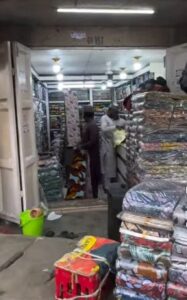
He attributed the situation to the high cost of living, noting that although inflation has slightly eased to about 15 per cent in early 2026, prices of many goods remain elevated, limiting customers’ purchasing power.
He called on government authorities to stabilize prices, reduce transportation costs and address fuel-related challenges.
On the food supply side, a wholesaler at Yankura Market, Haruna Nazifi, noted that essential commodities such as rice, vegetable oil, meat, spices and soft drinks are selling quickly due to festive demand.
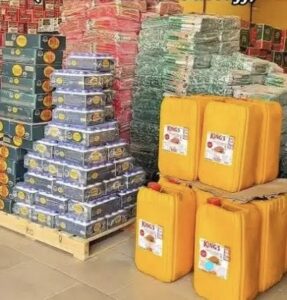
However, he described the trading environment as challenging, citing unstable pricing, high transportation costs and supply disruptions.
Nazifi added that although food sales appear higher this year due to relatively lower prices, profit margins remain uncertain.
He urged the government to reduce the cost of food and basic commodities, while also improving security in farming areas to boost production and prevent scarcity.
Overall, while the Eid season has brought renewed commercial activity across tailoring and catering services, economic pressures continue to constrain both traders and consumers, leaving many hopeful for improved conditions in the future.