
By Mariya Shuaibu Suleiman
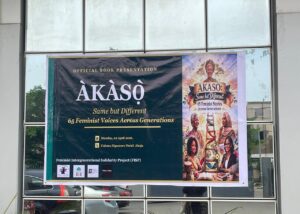
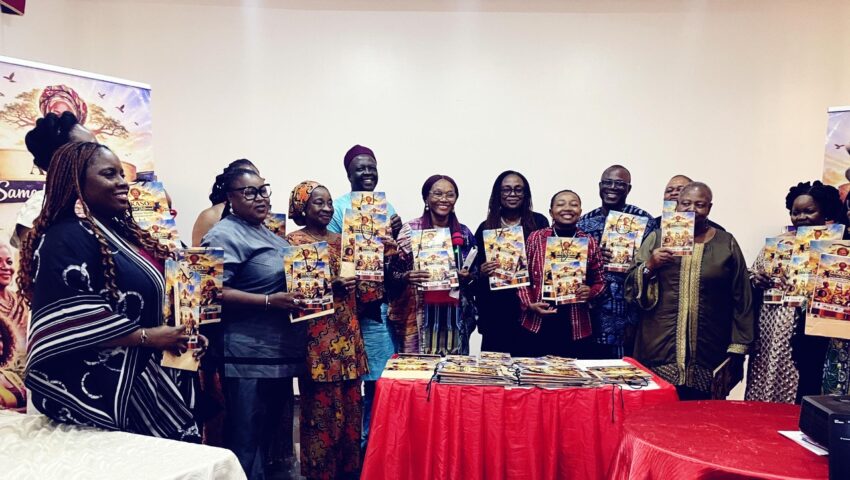
Feminist organisations on Monday formally presented a new book, ÀKÀSỌ̀: Same but Different – 65 Feminist Voices Across Generations, describing it as a deliberate effort to preserve the lived experiences of Nigerian women across decades of activism.
The book was unveiled at an event held at Cubana Signature Hotel, bringing together activists, development practitioners, and advocates from different generations within the women’s rights movement.
The publication is a collaborative project of BAOBAB for Women’s Human Rights, BraveHeart Initiative for Youth and Women, Innocent Chukwuemeka Chukwuma Empowerment Foundation, and Project Alert on Violence Against Women under the Feminist Intergenerational Solidarity Project (FISP).
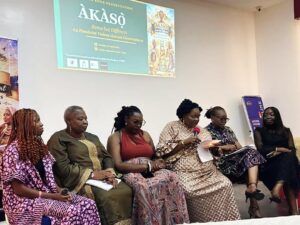
Organisers described the book—whose title translates to “The Ladder”—as a multi-sectoral archive capturing the experiences of 65 Nigerian feminists across four generations, spanning law, education, media, business, and grassroots organising.
Speaking at the event, the Executive Director of BAOBAB for Women’s Human Rights, Bunmi Dipo-Salami, said the project aims to institutionalise intergenerational solidarity by bridging gaps between older and younger feminists.
“No matter how advanced technology becomes, experience cannot be replaced. Those who came before have encountered challenges and can help others avoid them,” she said.
According to her, the publication reflects an effort to strengthen collaboration and documentation within the women’s rights movement, adding that it is part of a broader three-year initiative on feminist solidarity.
The Executive Chair of the Innocent Chukwuemeka Chukwuma Empowerment Foundation, Josephine Effah-Chukwuma, noted that the project emerged from longstanding concerns about mentorship gaps and generational transitions within the feminist movement.
“The publication we are launching today was completed in less than three months. We are getting older and will eventually leave the stage for younger people, so the sooner we begin these conversations, the better,” she noted.
She added that the initiative builds on the legacy of the late Innocent Chukwuemeka Chukwuma, noting his commitment to mentorship and institutional development.
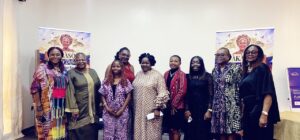
On her part, Priscilla Usiobaifo, Executive Director of BraveHeart Initiative for Youth and Women, said the book seeks to address gaps in how feminist stories about Nigerians are documented.
“Many feminist stories about Nigerians are written by others. We wanted to tell our own stories ourselves,” she said.
She also raised concerns about class divisions within the movement, calling for greater inclusivity across social groups.
Also speaking at the event, Kemi Okeyodo and Ene Ede emphasised the need for education, economic independence, and stronger political participation by women.
The event, themed “Celebrating Personhood, Memory, and Intergenerational Solidarity,” drew participants across generations, reflecting the book’s focus on continuity and shared learning within Nigeria’s feminist movement.
Organisers said ÀKÀSỌ̀ is intended not only as a publication but as an “institutional memory bank” documenting the evolution of feminist thought and practice in Nigeria—from domestic struggles in the 1960s to contemporary digital advocacy.