

From Umar Dankano, Yola
Stakeholders have urged governments to take all necessary actions to protect child rights, particularly with regard to bodily autonomy in the North East and across the country.
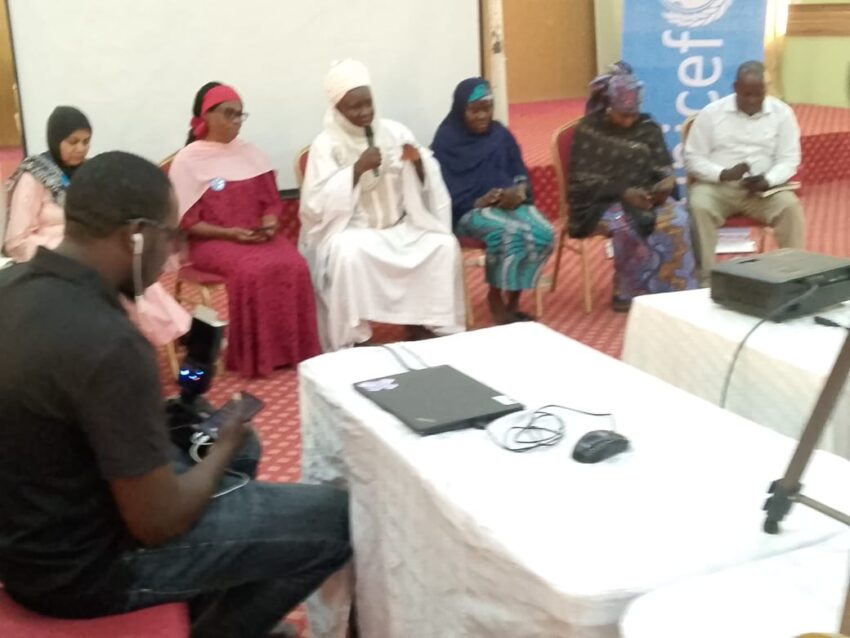
The resolution was reached at a stakeholders’ roundtable and advocacy meeting on child protection, organised by UNICEF in collaboration with the governments of Adamawa, Gombe and Bauchi states.
The event, held in Gombe on Tuesday, also emphasised the need to teach children to speak out on issues affecting them.
Speaking at the occasion, Dr. Nuzhat Rafique, Chief of UNICEF’s Bauchi Field Office, appealed to stakeholders and governments to prioritise child protection, noting that children are a precious gift who deserve diligent care and nurturing.
Dr. Rafique explained that a child’s rights begin at birth, including birth registration, health and survival, exclusive breastfeeding, and nutrition, among others. She called on stakeholders to intensify efforts in raising awareness about the fundamental rights of children.
She added that the roundtable would contribute significantly to addressing child abuse through sustained systems that provide access to healthcare, nutrition, education, and a safe environment.
“While commending state governments for their efforts, I also urge increased public education, community engagement, and greater awareness among parents and caregivers on the rights of children,” she said.
In her presentation on the rising cases of sexual violence against children in Adamawa, Bauchi and Gombe states, UNICEF Child Protection Specialist, Mrs. Ladi Alabi, revealed that data from the Child Protection Information Management System (CPIMS) indicates a steady increase in reported cases from late 2024 to early 2026.
Alabi noted that such violence has serious long-term consequences, including psychological trauma, risk of infections, and unintended pregnancies, stressing the need for urgent and coordinated action to protect children.
She also observed that reported cases represent only a fraction of actual incidents, as many go unreported due to fear, stigma, and cultural or religious barriers, as well as limited reporting channels.
Alabi urged survivors to report violations promptly to access appropriate care, noting that One-Stop Centres and Sexual Assault Referral Centres provide psychosocial, medical, and legal support in one location.
In their separate remarks, the Village Head of Doho Community and District Head of Dukku Emirate in Gombe State, Alhaji Magaji Abubakar and Alhaji Idris Muhammad, pledged to intensify awareness campaigns within their domains.
They assured of their commitment to working with service providers, government, and the media to strengthen advocacy and promote a collective response to ending violence against children across communities.
Participants at the roundtable included representatives from the media, law enforcement agencies, civil society organisations (CSOs), legal practitioners, as well as traditional and religious leaders.