

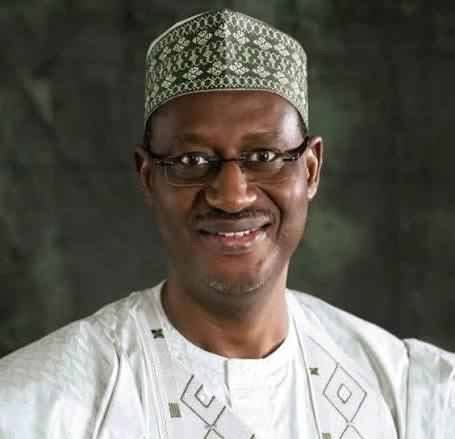
By Adamu S. Ladan, FCAI
In a sector historically constrained by policy inconsistency, weak institutional coordination, inadequate financing, and an expanding housing deficit, the tenure of Ahmed Musa Dangiwa as Nigeria’s pioneer Minister of Housing and Urban Development following the 2023 restructuring of the Ministry stands out as a defining period of institutional renewal, reform-driven governance, and strategic repositioning of the housing sector within Nigeria’s national development agenda.
The re-establishment of the Federal Ministry of Housing and Urban Development after its demerger from the former Federal Ministry of Works and Housing provided the sector with long-awaited institutional focus and clearer policy direction. Under the administration of President Bola Ahmed Tinubu, housing and urban development were elevated beyond the traditional perception of social welfare and increasingly recognized as strategic instruments for economic growth, employment generation, infrastructure expansion, social inclusion, and national stability.
At the centre of this transformation was Dangiwa’s vision of creating a housing ecosystem capable of supporting broad-based economic participation through access to secure, decent, and affordable housing for Nigerians. His policy orientation aligned closely with the broader objectives of the Renewed Hope Agenda, which seeks to stimulate economic growth, reduce poverty, expand infrastructure, and create pathways for inclusive prosperity.
More importantly, the administration demonstrated that housing delivery cannot succeed in isolation. Rather than treating housing as a standalone intervention, Dangiwa advanced an integrated development framework that linked housing delivery with urban planning, infrastructure development, land administration reforms, industrial growth, skills acquisition, job creation, and private sector participation. Through this integrated approach, the Ministry significantly contributed to repositioning housing as one of the most labour-intensive and economically catalytic sectors of the Nigerian economy.
One of the defining features of Dangiwa’s stewardship was the aggressive deployment of Public-Private Partnerships (PPPs) as a sustainable mechanism for housing delivery and infrastructure expansion. Through structured collaborations with private developers, financiers, and institutional investors, the Ministry accelerated the implementation of large-scale housing projects across the country while reducing pressure on government finances.
This approach reflected a gradual shift from the traditional state-driven housing model toward a more market-supported framework capable of leveraging private capital for public infrastructure delivery and long-term sectoral sustainability.
Under the Renewed Hope Housing Programme, housing estates and cities were initiated across more than seventeen states and the Federal Capital Territory, including major projects in Abuja. These included 3,112 housing units in Karsana, Abuja; 1,500 units in Ibeju-Lekki, Lagos; 1,500 units in Kano; and emerging city-scale developments in Maiduguri and Port Harcourt.
Many of these projects reached advanced stages of implementation during the period under review, contributing significantly to the expansion of the national housing stock while stimulating economic activities around project locations.
Particularly significant was the Renewed Hope Housing Project for military personnel, comprising approximately 1,550 housing units alongside supporting infrastructure such as roads, water systems, schools, recreational facilities, and drainage networks. Executed through a PPP arrangement with a reputable developer, the project emerged as one of the most strategic housing interventions under the Renewed Hope Agenda. With construction approaching 70 percent completion during the period under review, the project was projected for delivery ahead of schedule, reflecting the administration’s emphasis on efficiency, accountability, and performance-driven implementation.
Collectively, these projects were projected to generate over 300,000 direct and indirect jobs across the housing value chain, engaging architects, engineers, surveyors, artisans, suppliers, transporters, technicians, and numerous small and medium-scale enterprises.
Alongside these efforts was the proposed Renewed Hope Social Housing Programme, conceived as a large-scale intervention targeted at low-income and vulnerable Nigerians across all 774 local government areas of the federation. Under the framework, 30 percent of the housing units were designed to be allocated at no cost to the most vulnerable citizens, while the remaining 70 percent were structured around affordable mortgage systems tied to beneficiaries’ income levels.
This model reflected a deliberate attempt to address Nigeria’s longstanding housing affordability crisis, particularly among low-income earners who remain excluded from conventional mortgage systems.
While physical housing delivery remained the most visible aspect of the reforms, the administration equally recognized that sustainable transformation required deep institutional restructuring and governance modernization. Consequently, the Ministry invested significantly in improving operational frameworks, strengthening regulatory compliance, enhancing stakeholder coordination, and modernizing administrative processes.
One of the major institutional milestones during the period was the advancement of the Centralized Land Repository Management System (CLRMS), a flagship initiative designed to digitize land administration processes, improve transparency, reduce bureaucratic inefficiencies, curb leakages, and strengthen revenue generation through more efficient land governance systems.
Closely linked to this initiative was the National Land Registration and Documentation Programme (NLRDP), which sought to address longstanding bottlenecks in land administration by streamlining land titling procedures, improving land documentation systems, and unlocking land as a bankable asset capable of attracting investment, enhancing access to credit, and stimulating economic productivity.
If fully institutionalized, these reforms possess the potential to significantly reduce transaction costs within Nigeria’s land market while improving investor confidence in real estate financing and urban infrastructure development.
Dangiwa’s tenure also reflected a clear recognition of the role of local industry development in sustainable housing delivery. The Ministry promoted the establishment of Building Materials Manufacturing Hubs across the six geopolitical zones to stimulate domestic production, reduce dependence on imported construction materials, lower building costs, and deepen industrial capacity within the sector.
This policy direction not only supported local manufacturers and investors but also created employment opportunities across production, logistics, distribution, and supply chains. By encouraging backward integration within the construction industry, the administration sought to retain greater economic value within the national economy while reducing exposure to exchange rate volatility and rising import costs.
Equally significant was the administration’s recognition of housing as a vehicle for skills development and labour market expansion. Through both the National Housing Programme and PPP-driven projects, thousands of artisans, technicians, and young professionals acquired practical skills, industry exposure, and employment opportunities. The Ministry deliberately aligned its programmes with broader national objectives aimed at bridging the gap between skills supply and labour market demand.
Beyond housing construction, the administration increasingly emphasized the broader challenges associated with rapid urbanization, including infrastructure deficits, unplanned urban expansion, environmental pressures, and the growing need for integrated and sustainable urban renewal frameworks. This reflected a broader understanding that housing policy must evolve alongside urban management systems capable of supporting future population growth and economic expansion.
In addition, the Ministry adopted the renovation and maintenance of Federal Government housing assets and Federal Secretariats as strategic interventions for rapid job creation and public infrastructure renewal. These projects created immediate employment opportunities for electricians, plumbers, painters, welders, masons, and other skilled workers while simultaneously improving the condition, safety, and functionality of public infrastructure nationwide.
The institutionalization of structured facility management systems further strengthened employment sustainability within the sector. By promoting preventive maintenance culture and long-term asset management frameworks, the Ministry created enduring opportunities in estate management, technical services, environmental maintenance, and facilities administration.
Another remarkable aspect of Dangiwa’s leadership was his emphasis on transparency, accountability, stakeholder engagement, and collaborative governance. Through sustained consultations with developers, professional bodies, financial institutions, regulatory agencies, community stakeholders, and international development partners, the Ministry fostered broader ownership of its reforms and improved investor confidence within the sector.
This collaborative governance model was reinforced through strategic engagements with the Infrastructure Concession Regulatory Commission to strengthen compliance, improve project bankability, and ensure the long-term sustainability of PPP initiatives. The proposed Renewed Hope Housing PPP Summit further demonstrated the administration’s commitment to mobilizing large-scale private capital into the housing and urban development sector.
Equally important was the administration’s adaptive and data-driven governance style. Recognizing that urbanization challenges are dynamic and constantly evolving, the Ministry increasingly relied on data analytics, evidence-based planning, and sectoral assessments to evaluate housing demand, monitor urban growth patterns, and improve the precision of policy interventions.
Arc. Ahmed Musa Dangiwa’s tenure was distinguished not only by domestic reforms but also by a robust international engagement strategy that significantly elevated Nigeria’s standing in global housing and urban development discourse. As Chairman of Shelter Afrique, he played a central role in driving the historic transformation of the institution into the Shelter Afrique Development Bank, thereby strengthening Africa’s housing finance architecture and expanding its capacity to support large-scale housing initiatives across the continent. In recognition of his visionary leadership, member countries unanimously honoured him with the position of Chairman of the African Ministers of Housing Bureau at the end of his tenure.
Equally significant was his stewardship as Chairman of the UN-Habitat Governing Board, where his diplomatic skill, consensus-building approach, and calm disposition enabled member states to adopt key resolutions without the prolonged disputes that often characterize global urban policy negotiations. His exemplary leadership earned him widespread commendation, culminating in a rare standing ovation from member states at the conclusion of his tenure.
Beyond institutional leadership, Dangiwa emerged as a respected global voice on housing, land administration, and sustainable urban development. He was frequently invited to deliver keynote addresses and participate in high-level policy discussions at major international forums, where he projected Nigeria as a credible thought leader in the sector. His engagements with multilateral institutions such as the World Bank reinforced his reputation as a meticulous reform advocate committed to transparency, accountability, and practical solutions to housing and land challenges in Africa.
His growing international stature was further demonstrated by his invitation as a special guest to Saudi Arabia’s annual housing exhibition in Riyadh, reflecting global recognition of Nigeria’s evolving housing sector under his leadership.
Importantly, his tenure also broadened Nigeria’s participation in international housing fora by encouraging the involvement of subnational governments, private sector actors, and civil society stakeholders, thereby strengthening Nigeria’s diplomatic footprint and facilitating the exchange of global best practices. Through strategic diplomacy and purposeful engagement, Dangiwa not only enhanced Nigeria’s international profile but also contributed meaningfully to shaping housing and urban development policy across Africa and beyond.
Despite these achievements, the administration operated under considerable fiscal and operational constraints. Inadequate budgetary allocations, delays in the release of funds, rising construction costs, foreign exchange pressures, and infrastructure financing gaps posed significant obstacles to project implementation and service delivery.
However, through strategic prioritization, prudent resource management, innovative financing arrangements, and sustained collaboration with private sector partners, the Ministry sustained notable implementation momentum across its programmes and projects.
The impact of these reforms extended far beyond the construction of housing units. Dangiwa’s tenure demonstrated how coordinated policy direction, institutional strengthening, private sector collaboration, industrial development, and inclusive stakeholder engagement can reposition housing and urban development as powerful instruments of economic transformation, social stability, and national integration.
This legacy was acknowledged by the Minister of State for Housing and Urban Development, Abdullahi Yusuf Attah, during the handover ceremony to the new Minister, Muttaqha Rabe Darma, when he observed:
“I wish to acknowledge the visionary and foundational leadership of the former Honourable Minister, Ahmed Musa Dangiwa, whose tenure laid a strong policy direction and institutional framework for sector-wide reforms.”
As Nigeria continues to confront rapid urbanization, infrastructure deficits, population growth, and increasing housing demand, the lessons from Dangiwa’s tenure remain highly instructive for future administrations. His stewardship underscored the importance of policy continuity, institutional capacity, private sector collaboration, transparency, technological modernization, community engagement, and adaptive governance.
The experience also reinforces the imperative of sustaining reforms beyond political transitions. In a country where many policy gains are frequently disrupted by leadership changes, preserving and strengthening the institutional frameworks established during this period will be critical to achieving long-term transformation within the housing and urban development sector.
Ultimately, the Dangiwa era illustrates that meaningful progress in housing and urban development is achievable when vision, governance, institutional coordination, innovation, and inclusivity are effectively aligned. The reforms undertaken during his stewardship provide not only a record of achievements but also a practical roadmap for future administrations seeking to transform Nigeria’s housing sector into a foundation for national development, economic growth, employment generation, social stability, and improved quality of life for millions of Nigerians.
As Nigeria’s urban population continues to expand and pressure on infrastructure intensifies, the sustainability of these reforms may ultimately determine whether housing evolves from a persistent social challenge into a strategic driver of national productivity, economic resilience, and social stability.