

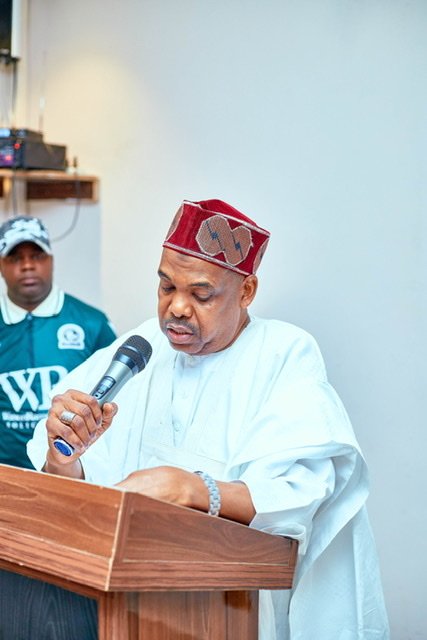
The Kano State Ministry of Health has commenced a three-day strategic workshop for the development of the 2027 Local Government Area (LGA) Malaria Work Plan, aimed at strengthening evidence-based planning, resource allocation and implementation of malaria interventions across the state.
The workshop, holding from 19th to 21st August 2026 at The Pyramid Hotel, Kaduna State, brings together 44 Primary Health Care Coordinators (PHCCs), 44 Monitoring and Evaluation (M&E) focal persons, 44 Roll Back Malaria (RBM) focal persons and six Zonal Directors, with support from the AMCEEN Consortium.
Sa’adatu Suleiman,Public Relations Officer of the Board disclosed this in a statement issued to newsmen today.
According to Sa’adatu, declaring the workshop open, the Commissioner for Health, Dr. Abubakar Labaran Yusuf, ably represented by the Permanent Secretary, Ministry of Health, Pharmacist Aminu Bashir, emphasised the importance of evidence-based planning and effective resource utilisation in strengthening malaria prevention and control across Kano State.
He noted that robust LGA-level work plans would help identify priority needs, direct resources to areas of greatest impact and ensure that malaria interventions are responsive to the realities of communities.
Also speaking, the Director-General, Kano State Primary Health Care Management Board, Professor Salisu Ahmad Ibrahim, commended the Ministry, participants and AMCEEN Consortium for their commitment to strengthening malaria programming.
He stressed the importance of developing realistic, data-driven and properly costed interventions, urging participants to leverage available evidence and mapped resources to produce actionable plans capable of delivering measurable improvements in malaria prevention, diagnosis and treatment at the grassroots.
The three-day workshop focuses on finalising malaria intervention targets for the LGAs, conducting situation analysis of identified problems, developing and presenting draft 2027 LGA malaria work plans, and reviewing mapped resources and costing the proposed activities.
The exercise is expected to produce prioritised, evidence-based and costed work plans that will guide malaria interventions in 2027 and further contribute to reducing the burden of malaria and improving health outcomes across Kano State.