

By Bilkisu Garba Yusuf
Nigeria is witnessing an alarming exodus of its young population, with over 3.6 million citizens leaving the country in just two years, fresh data has revealed.
According to the Nigeria Immigration Service (NIS) Migration Information Data Analysis System (MIDAS), about 2,115,139 persons emigrated from Nigeria in 2022, while 1,574,357 left between January and September 2023, bringing the total to 3,679,496.
Most of these migrants left in search of greater opportunities overseas due to economic hardship, while some secured admission for further studies.
A survey by the African Polling Institute (API) further revealed that in 2022, 70 per cent of Nigerians aged 18 to 35 reported they would relocate abroad if given the opportunity, a sharp jump from 39 per cent across all age groups in 2019.
The Push Factors
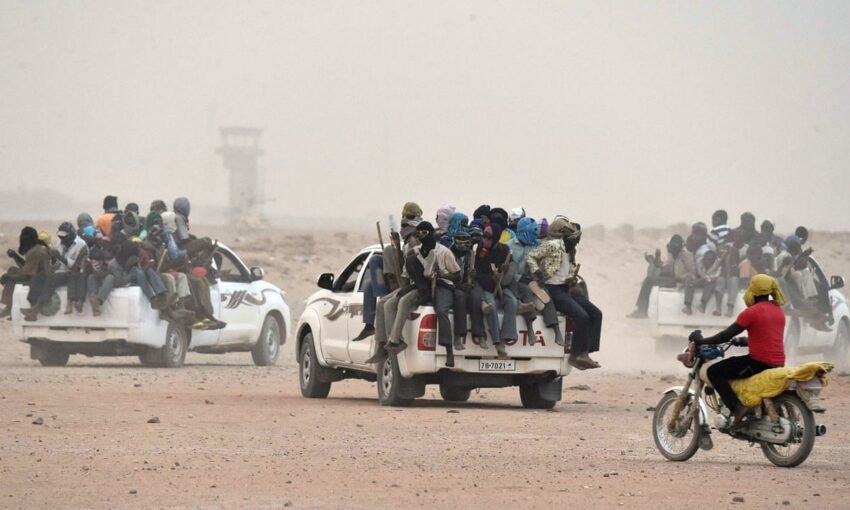
The rising rate of youth migration has been linked to legal gaps, weak institutional frameworks, poverty and poor economic conditions. Most migrants head to Europe, America and rich Middle Eastern countries. Many engage in risky routes through the Sahara Desert and across the Atlantic Ocean without legal documents. On such journeys, they face lack of funds, imprisonment, slavery and sometimes death.
Irregular migration from Sub-Saharan Africa to Europe, mainly from Nigeria, often follows the desperation of young people without alternative prospects at home.
Restrictive migration policies have made journeys increasingly difficult, while the absence of regular (legal) migration pathways creates opportunities for smugglers and traffickers linked to organised crime.
Stressful economic conditions, especially the absence of sustainable livelihood opportunities, also contribute to migration.
Institutional quality plays a major role and can reduce migration outflows and help retain skilled workers. Empirical analyses using EPU, GPR and governance indicators show that these factors can reliably predict migration trends.
A Migrant’s Story
An interview shared by Dala Radio illustrates how poverty and family responsibilities can influence migration decisions.
The interviewee was 21 when he left Nigeria. After his father’s death, he felt responsible for supporting his mother and younger siblings.
He said the desire to earn more money, alongside stories he encountered on social media, influenced his decision to travel. He passed through Niger and the Sahara Desert towards Algeria, where he reportedly experienced hunger, armed robbery and dangerous travelling conditions.
People migrate for different reasons, but poverty, unemployment, poor economic conditions and family responsibilities can influence Nigerians’ decisions to migrate.