
From Abubakar Rabilu, Gombe
The Gombe State Commissioner for Women Affairs and Social Development, Dr Beta Danja, has called for stronger efforts to end child marriage and protect girls’ right to education, warning that harmful practices continue to undermine their future.
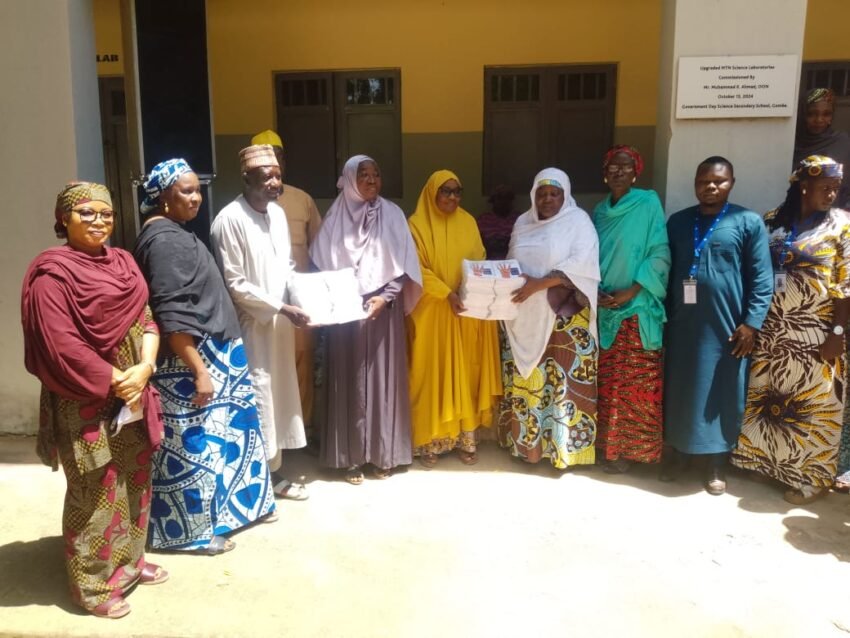
Danja made the call on Thursday through her representative, Mrs Bathsheba Samuel, during the 2026 International Day of the Girl Child celebration at Government Day Senior Secondary School, Gombe.
The event also featured the commencement of the second phase of scholarship distribution under the Adolescent Girls Initiative for Learning and Empowerment (AGILE) Project, targeting more than 20,000 girls in the state.
The commissioner identified child marriage, teenage pregnancy, gender-based violence and inadequate access to education as major challenges confronting adolescent girls, urging parents, traditional rulers, government agencies and other stakeholders to work together to address them.
She said every girl deserved the opportunity to acquire an education, develop her abilities and pursue her ambitions without being forced into early marriage or exposed to abuse.
According to her, investing in girls’ education and welfare would not only improve their individual prospects but also strengthen families, empower communities and accelerate the development of Gombe State.
Danja reaffirmed the government’s commitment to initiatives aimed at safeguarding girls’ rights, expanding educational opportunities and promoting their social and economic empowerment.
She urged parents and guardians to support their daughters to complete their education, stressing that poverty, harmful cultural practices and societal expectations should not deprive girls of the opportunity to fulfil their potential.
Speaking at the event, the Gombe State AGILE Project Coordinator, Dr Amina Haruna Abdul, said the second phase of the scholarship scheme followed an initial cohort of about 12,000 girls, while preparations were underway for a third phase expected to benefit another 30,000 girls.
She explained that the programme was designed to reduce the financial burden on families, encourage school attendance and retention, and help more girls complete secondary education.
“Girls should enrol in secondary school, remain in school and complete their secondary education,” Abdul said.
She explained that keeping girls in school would prepare them for higher education, employment and informed decisions about their lives.
The coordinator warned that early marriage and teenage pregnancy could expose girls to serious health complications, including obstetric fistula, while interrupting their education and reducing their chances of achieving economic independence.
She added that completing secondary education would equip girls with essential knowledge about health, nutrition and childcare, while improving their prospects of securing jobs or acquiring vocational skills.
Abdul urged the beneficiaries to take their studies seriously and make the most of the opportunities provided by the scholarship scheme, noting that parental support was crucial to achieving the programme’s objectives.
The Principal of Government Science Secondary School, Alhaji Saidu Sabo, commended the state government and the AGILE Project for the intervention, saying it would assist students from financially disadvantaged families to continue their education.
He noted that support with educational expenses would ease the burden on parents and encourage students to remain in school.
Also speaking, the Chairperson of the International Federation of Women Lawyers (FIDA), Gombe State, Barrister Talatu Abubakar, reaffirmed the organisation’s commitment to defending the rights of women and children, particularly vulnerable girls.
She said FIDA would continue to sensitise women and girls about their rights and work to ensure that victims of abuse and other rights violations received appropriate protection.
Abubakar called for stronger cooperation among government institutions, civil society organisations and communities to prevent abuse, exploitation and other harmful practices affecting girls.
The International Day of the Girl Child is observed annually on October 11 to promote girls’ rights and highlight challenges affecting their education, safety and development.