

By Abubakar Surunbai Naziru
Nigeria’s economic experts have spent the past three years pointing to improving numbers. Inflation is easing. The foreign exchange market has stabilized. Government revenues are rising. On paper, the Tinubu administration’s reforms appear to be working.
I went to Singa market in Kano to ask a different question.
A bag of rice that cost about ₦35,000 in early 2023 still sells for around ₦60,000 down from last year’s peaks but still nearly double what it cost in 2023. The woman selling it has not increased her profit. She has increased her prayer. The commercial driver nearby spends nearly twice what he spent on fuel two years ago. The small trader three stalls down cannot afford to restock. These are not statistics. These are people. And their answer is not found in any budget report.
The story does not end at the market. I spoke with a worker whose salary can no longer buy enough food to last the month,let alone cover school fees or healthcare. He borrows to survive. Some days he and his family drink garri until the next payday. He is not alone. Across Kano, people are drowning in the cost of transport, healthcare and education while their salaries have barely moved. The government’s numbers do not include the garri. They should.
This is happening at a time when poverty is also deepening. The removal of the fuel subsidy, the devaluation of the naira, and the introduction of value-added tax on diesel imports have driven further price spikes and intensified the cost-of-living crisis in Africa’s biggest economy. According to recent market surveys and energy price trackers, the average price of petrol has risen to approximately ₦1,355 per liter since the subsidy was removed, pushing transportation costs sharply higher across the country. That surge is further straining the finances of millions of Nigerians whose incomes have already been eroded by rising inflation.
The effects are particularly visible in the North, where malnutrition and hunger are rising. In many communities, children now roam the streets in search of food.
“Our cost of living has doubled because of inflation, and we are left with nothing to feed our families,” a 50-year-old father of seven told me in Kano.
A tricycle mechanic I spoke with in Kaduna put it more bluntly: “It is getting difficult every day for Nigerians, especially with the petrol subsidy removal and the naira float. They are good reforms, but they are seriously hurting ordinary people. My family can no longer afford to eat three times a day.”
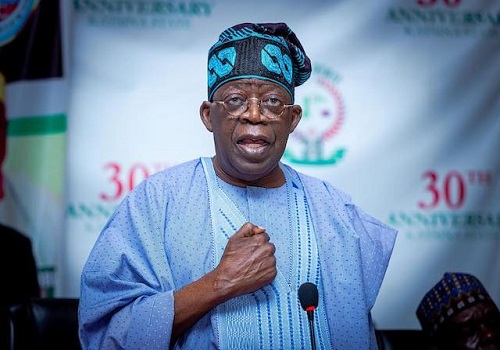
The Tinubu administration inherited real problems: fuel subsidies, multiple exchange rates, rising debt and weak revenues. Removing the fuel subsidy and unifying the exchange rates were painful but necessary decisions. The government deserves credit for taking them.
But taking a difficult decision is not the same as managing its consequences.
While policymakers talk about future gains, millions of Nigerians are living with immediate losses. Transport costs have surged. Food prices remain high. Cooking gas has become a luxury for many. A minimum wage that cannot cover a bag of rice and rent in the same month is not a foundation for endurance. It is a crisis.
The government will point to returning investors, a more stable naira and better revenue collection. These things are true. But citizens do not feel GDP growth. They feel the price of food, transport, electricity, school fees and rent. When those prices rise faster than incomes, the macroeconomic story and the human story stop being the same story.
That gap between the economist’s Nigeria and the market woman’s Nigeria is where this administration is failing.
Fixing it will take more than patience and better communication. The Federal Ministry of Finance must design and properly fund a sustained social protection programme for the most vulnerable, paid for by the subsidy savings that were promised to ordinary Nigerians. That money was meant for them. They are still waiting.
State governments cannot treat the cost-of-living crisis as a purely federal problem. Kano, Kaduna, Lagos and every state with markets full of struggling traders need active price monitoring and practical support for small businesses. The pain is local even when the causes are national.
The National Assembly must hold the executive to the palliative promises made when the subsidy was removed. Nigerians remember those promises. Legislators should too.
Tinubu’s reforms may yet deliver. The foundation being laid could, in time, produce the growth that justifies the pain. But until the market woman in Singa can afford the same bag of rice she bought in 2023, or until her income rises enough to make the new price bearable, the reforms are working for the economy. They are not working for Nigeria.
Abubakar Surunbai Naziru is a public policy enthusiast and Community development Advocate. He writes from Kaduna and can be reached via: Abubakarnaziru500@gmail.com