

By Kayode Oladipupo
Democracy does not require a perfect election to remain credible, just as an imperfect election does not automatically translate into a failed democratic process. Yet, in the increasingly competitive environment of political communication, election reporting is sometimes driven by unrealistic expectations, sensationalism and partisan considerations rather than the dispassionate pursuit of facts. This raises an important question: is the press strengthening democratic accountability or inadvertently undermining public confidence in the electoral process?
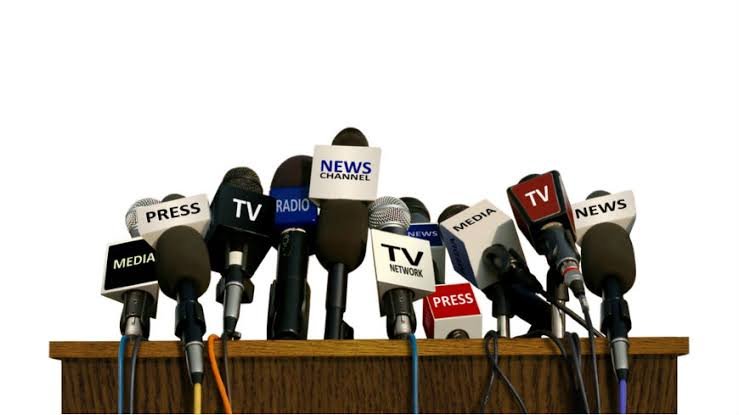
Election reporting is among the most consequential responsibilities of the media. Beyond informing citizens about candidates, campaigns, voting and results, the press shapes public perception of electoral institutions and influences the legitimacy citizens attach to democratic outcomes. This responsibility demands accuracy, balance, independence and professional restraint. Unfortunately, three tendencies—utopianism, false alarm and compromised impartiality—continue to challenge the credibility of election journalism.
The Utopian Expectations Trap
One recurring problem in election reporting is the tendency to evaluate electoral processes against an unrealistic standard of perfection. Elections are complex administrative and political exercises involving millions of voters, thousands of polling locations, multiple institutions and competing interests. Even established democracies experience logistical difficulties, administrative errors, legal disputes and isolated electoral irregularities.
The credibility of an election should therefore be assessed against established democratic standards, including transparency, fairness, inclusiveness, accountability and compliance with applicable electoral laws. The existence of isolated shortcomings should not automatically become evidence of systemic failure. Equally, administrative improvements should not be used to excuse serious violations.
Nigeria’s democratic journey must be examined within this context. Electoral reforms, technological interventions, voter accreditation and improvements in institutional capacity deserve objective assessment. Where weaknesses persist, they must be exposed. But reporting should distinguish between genuine institutional failure and the inevitable operational challenges associated with managing elections on a national scale.
The media must avoid creating an imaginary benchmark against which every election is declared deficient simply because it does not meet utopian expectations.
False Alarm and the Economics of Sensationalism
Perhaps more damaging is the growing tendency to prioritise sensationalism over verification. In the race for breaking news, some media platforms amplify unconfirmed allegations, speculative predictions and misleading interpretations of electoral developments.
A report of violence in one polling unit can quickly become a narrative of nationwide electoral breakdown. An allegation of manipulation by a political party can be presented in a manner that suggests an established fact. Premature projections and unverified declarations of victory can heighten political tensions before the electoral authority completes its responsibilities.
The consequences extend beyond reputational damage to media organisations. False alarms can provoke public anxiety, encourage political hostility, undermine confidence in electoral institutions and potentially trigger violence.
There is a fundamental distinction between reporting that a political party has alleged electoral malpractice and reporting that malpractice has actually occurred. Responsible journalism must preserve that distinction.
The growing influence of social media makes this challenge even more urgent. Digital platforms reward speed, emotional reactions and sensational headlines, often at the expense of accuracy. Traditional media organisations must not surrender their professional standards to the pressures of online competition. Verification must precede publication, not follow public outrage.
Impartiality: The Test of Professional Integrity
The independence and impartiality of the press remain indispensable to democratic consolidation. A free press must interrogate government, scrutinise opposition parties, expose misconduct and hold electoral institutions accountable. However, criticism must not become partisan activism, just as acknowledging institutional progress must not become government propaganda.
One disturbing feature of political reporting is the inconsistency with which similar events are sometimes interpreted, depending on the political interests involved. Judicial decisions, electoral disputes, allegations of malpractice and institutional interventions may attract contrasting media reactions when different political parties are affected.
This selective interpretation weakens public trust.
The test of impartiality is consistency. An electoral offence condemned when committed by one political party must remain condemnable when committed by another. A judicial decision considered legitimate when favourable to one political interest deserves the same institutional respect when it favours another.
Impartiality, however, should not be confused with giving equal weight to truth and falsehood. It requires journalists to apply consistent standards of evidence, fairness and accountability, regardless of the political identity of those involved.
Nigeria Needs a More Responsible Press
Nigeria’s democratic development requires a media establishment capable of balancing institutional scrutiny with constructive assessment. A press that magnifies every shortcoming while ignoring demonstrable improvements risks promoting public cynicism. Conversely, one that celebrates progress without interrogating weaknesses becomes an instrument of propaganda.
Neither serves democracy.
Media organisations must strengthen fact-checking mechanisms, distinguish facts from allegations and opinions, avoid premature conclusions and provide adequate context for electoral developments. Editorial independence must also be protected against political inducements, commercial pressures and ideological preferences.
More importantly, journalists must appreciate that their responsibility is not simply to win the competition for breaking news. They are custodians of public information whose professional conduct can strengthen or weaken confidence in democratic institution
Nigeria does not need a press that romanticises government, demonises opposition or manufactures electoral crises. It needs a press that interrogates power without prejudice, reports shortcomings without exaggeration, acknowledges progress without sycophancy and separates political propaganda from verifiable reality.
Democracy does not benefit from manufactured confidence, just as it does not benefit from manufactured distrust. The credibility of election reporting should ultimately be measured not by how loudly the media celebrates or condemns an election, but by how faithfully it reports the facts.
The press must remain a watchdog, not a political combatant; an independent arbiter of public information, not an amplifier of partisan sentiments. Its greatest contribution to democracy is not to determine what citizens should believe about an election, but to give them the verified information with which to make their own informed judgments.
Oladipupo, a Public Policy Advocate is also MD/CEO Kemkay Consult writes from Akure Ondo State Nigeria