

By Mustapha Salisu
The Centre for Information Technology and Development (CITAD) has called on the Nigerian media to amplify conversations that highlight the realities of marginalized groups within the country’s digital ecosystem, stressing the media’s vital role in promoting policy accountability and public awareness.
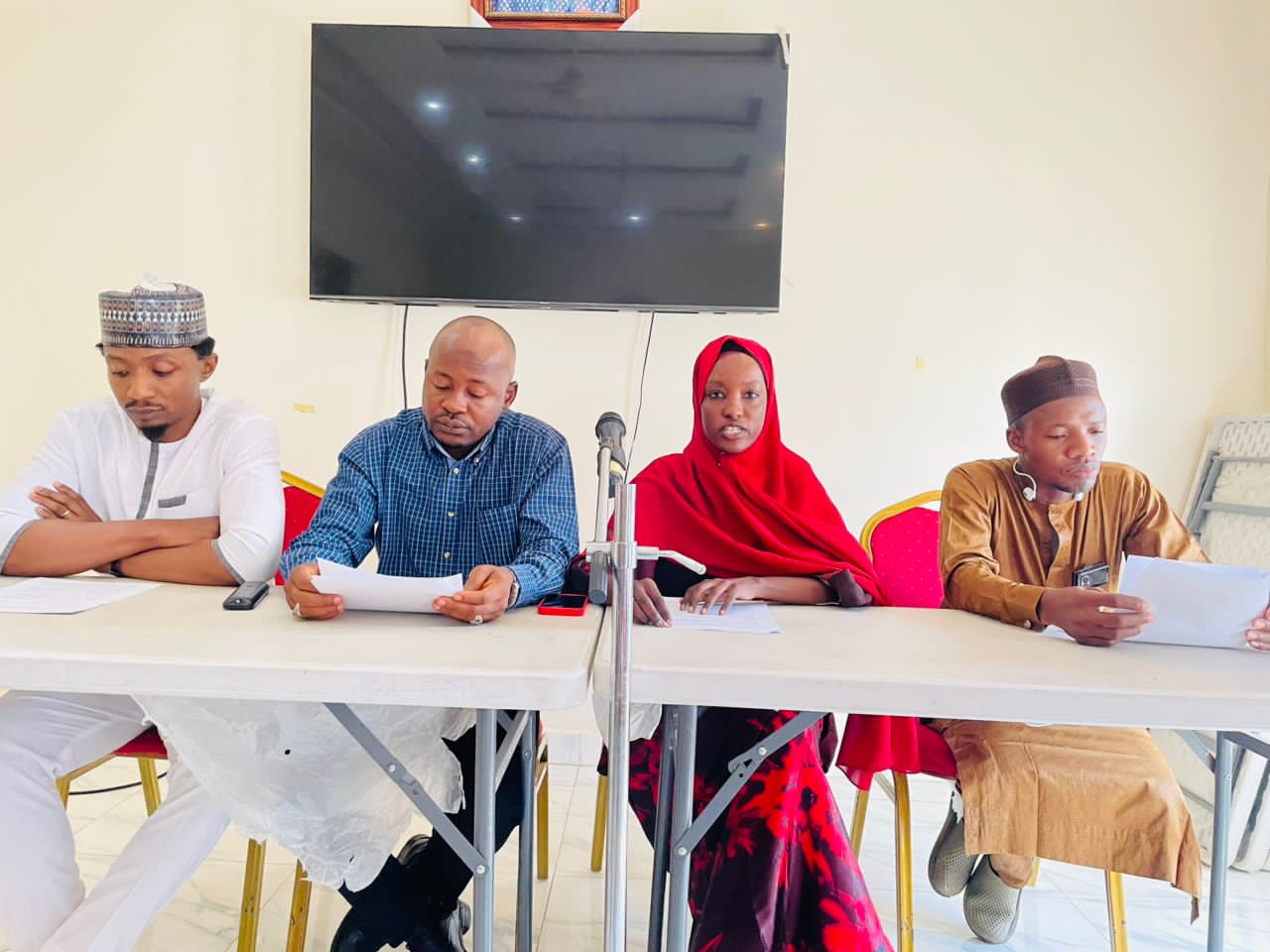
The call was made today during a press briefing held at the Bjorn Beckman Hall of CITAD in Kano, as part of the organization’s ongoing project titled “Greening and Feminist Centering of the National Digital Transformation Agenda.” The initiative, supported by the Association for Progressive Communications (APC), aims to ensure that gender and climate justice are integrated into Nigeria’s digital transformation processes.
Addressing journalists, Fatima Babakura, the Project Lead speaking on behalf of CITAD’s Executive Director, said that while Nigeria’s digital policy landscape is expanding with innovations in data governance, digital trade, and public sector reforms, glaring gaps remain in addressing the needs and vulnerabilities of women, girls, and communities affected by climate change.
She noted that current digital policies have not adequately recognized how climate change disproportionately affects women’s access to technology, digital skills, online safety, and economic participation. According to her, feminist and climate justice viewpoints remain largely underrepresented in the design and implementation of national digital policies, which leaves women, especially those in rural and climate-impacted areas at a disadvantage in accessing digital opportunities.
CITAD’s research and engagements reveal that without deliberate efforts to integrate gender and environmental perspectives, Nigeria’s digital transformation may deepen existing inequalities instead of fostering inclusion.
Babakura therefore called on the Federal Ministry of Communications, Innovation and Digital Economy and other relevant agencies to mainstream gender and climate justice across all digital policy frameworks.
She also urged policymakers to embrace inclusive and participatory approaches that engage women, youth, persons with disabilities, and climate-affected communities in every stage of digital policy formulation and implementation.
She further appealed to civil society organizations to strengthen advocacy for inclusive and sustainable digital policies and to invest in capacity-building initiatives that equip women and grassroots actors with the tools needed to engage effectively in digital governance.
Development partners, she said, should support interventions that connect digital rights, gender equality, and climate resilience to ensure that national digital initiatives are both socially just and environmentally sustainable.
Babakura emphasized the critical role of the media in driving these conversations, urging journalists to shine a light on the challenges faced by marginalized groups within Nigeria’s digital landscape. She said amplifying such narratives would help raise public awareness and strengthen accountability in digital policy processes.
“Integrating gender and climate justice into digital policy is not just a matter of fairness, it is a prerequisite for national sustainability, social cohesion, and long-term development,” Babakura stated.
CITAD reaffirmed its commitment to supporting Nigeria’s journey toward a digital future that is equitable, inclusive, and resilient, while calling on all stakeholders government, civil society, the private sector, and the media to play their part in ensuring that the country’s digital transformation benefits all citizens.