

From Alhaji Yusuf, Damaturu
The Civil Society for Malaria Control, Immunization and Nutrition (ACOMIN) in Yobe State has called for urgent improvements in the healthcare system, citing persistent gaps in the fight against HIV/AIDS, Tuberculosis and Malaria (ATM).
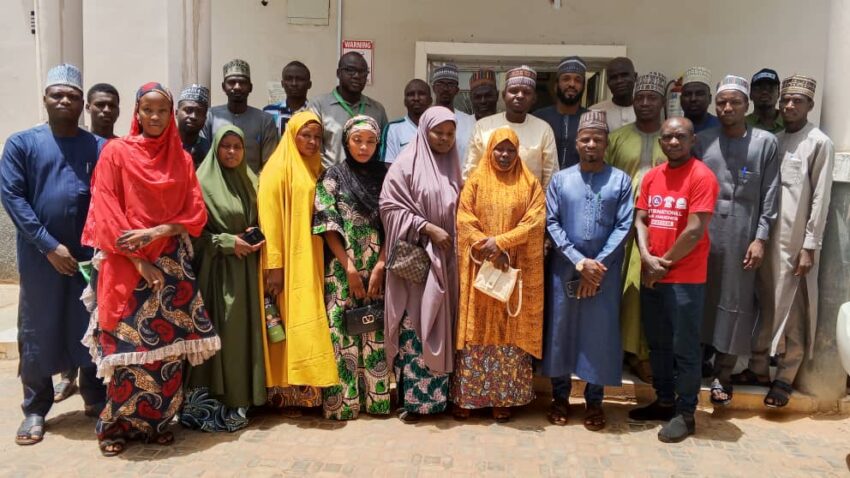
The call was made during the organisation’s first media briefing for 2026, held on Tuesday in Damaturu. The event brought together government officials, NGO partners, journalists and community stakeholders to examine challenges affecting Nigeria’s response to ATM diseases despite substantial investments by the Global Fund and government interventions.
Speaking at the briefing, the Yobe State ACOMIN Programme Officer, Mukhtar Mohammed Shehu, underscored the importance of Community-Led Monitoring (CLM) in ensuring accountability and effective utilization of international health funds.
He disclosed that the initiative currently works with 18 active community groups comprising journalists, fund managers, representatives of the National Malaria Elimination Programme and officials of the Yobe State Public Health Authority.
While acknowledging progress recorded through government efforts and support from the Global Fund, Shehu identified several challenges requiring urgent attention. These include weak referral mechanisms, treatment interruptions, shortage of trained healthcare personnel, inadequate resources at health facilities, limited access to testing and treatment services, as well as economic and transportation barriers.
“Evidence generated through Community-Led Monitoring shows that gaps in service delivery continue to affect health outcomes in many communities,” Shehu said.
He urged stakeholders to strengthen referral systems, ensure uninterrupted access to essential medicines and diagnostic services, invest in healthcare workforce development, expand community-based screening services and reduce financial barriers to accessing healthcare.
Also speaking, Kabiru Sumaila, a Programme Officer with Community Coalition for Sustainable Health Development Initiative (COCOSOHDI), revealed that findings from focus group discussions indicated that many residents were unaware that ATM-related services are provided free of charge.
“We clarified these services, urging residents to maintain clean surroundings to reduce mosquito breeding sites and encouraging them to visit health facilities, as ATM services are free,” Sumaila said.
Other programme officers, including Abubakar Adamu of GESDI, Amos Misheli of Hope Interactive and Mohammed Kachallah of the Freedom Initiative for Advancement of Humanity, shared successes and challenges encountered during the period under review, highlighting the collaborative and multi-sectoral approach being implemented across the state.
The briefing underscored the importance of community engagement and local oversight in ensuring that international health funding translates into tangible improvements in healthcare delivery and better health outcomes for residents of Yobe State.