
By Mustapha Salisu
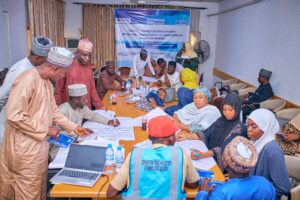
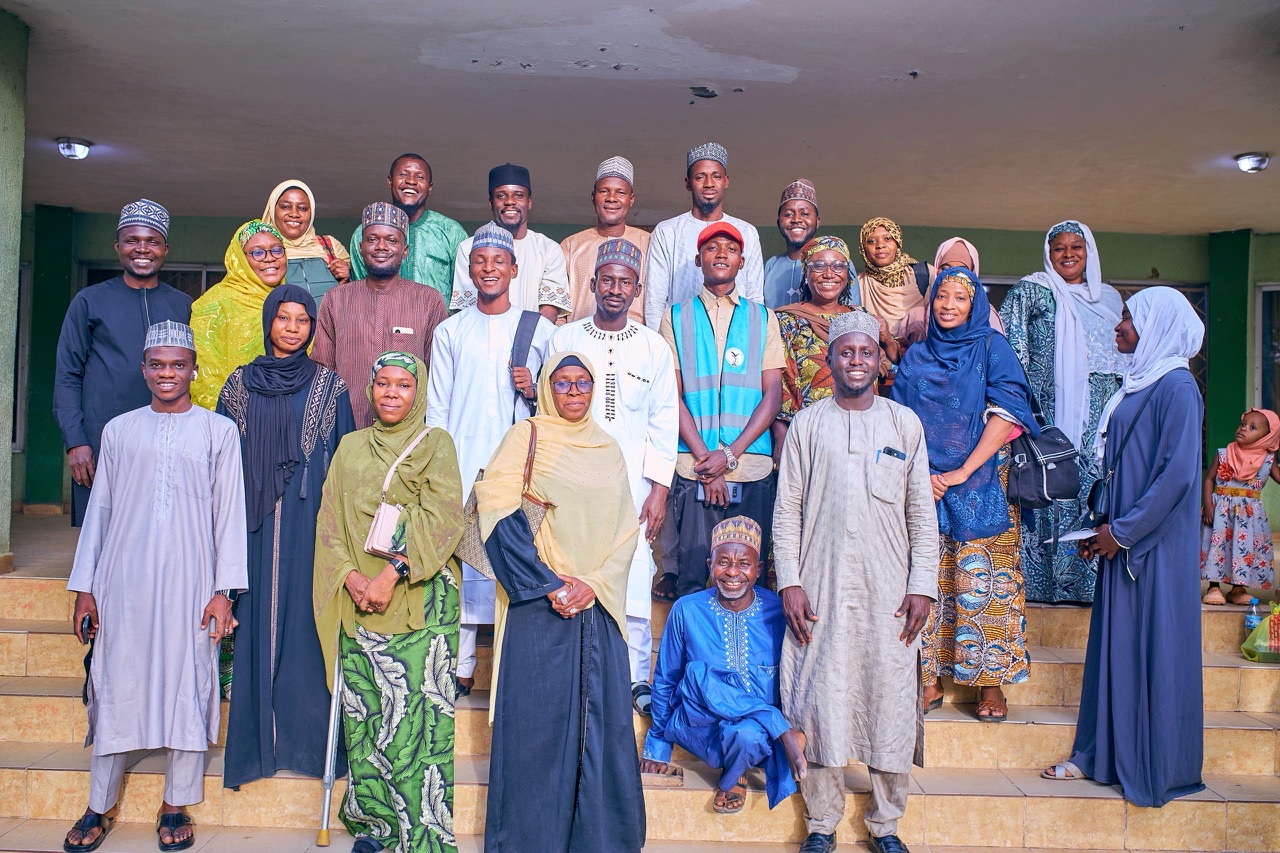
Stakeholders from across Kano State have converged for a one-day roundtable discussion on Tuesday which was aimed at promoting transparency and citizens’ participation in local government budgeting under the theme “District Voices for Development: Promoting Transparent LGA Budgeting in Northern Nigeria.”
The event, organized by the Dispute Resolution and Development Initiative (DRDI) in collaboration with the Nigeria Civil Society Situation Room, held at Mambayya House, Kano. It was supported by the UK International Development as part of efforts to strengthen governance and accountability at the grassroots level.
In his remarks, the Executive Director of DRDI, Dr. Muhammad Mustapha Yahaya, said the objective of the program is to sensitize stakeholders and the general public on their roles in ensuring transparency in local government budgeting.
According to him, “We want citizens to understand their right to demand explanations from their local governments on how public funds are utilized. For the past three years, we have been campaigning for local government autonomy—financial, political, and administrative. Thankfully, the federal government has now granted full autonomy, allowing funds to be sent directly to local government accounts.”
Dr. Yahaya noted that some states, including Kano, have also committed to granting local councils financial independence.
He, however, emphasized that “it is now up to the citizens to monitor how these funds are spent and ensure that the local governments utilize them judiciously.”
He called on journalists and civil society groups to help sensitize the public on active participation in local government budgeting processes, adding that this would help restore the “lost glory” of local governance in Nigeria.
Also speaking at the event, Garba Bello from the Kano State Ministry for Local Government and Chieftaincy Affairs explained the structure of local government budgeting.
He said the autonomy allows local councils to identify community needs, plan accordingly, and execute projects within their jurisdictions.
“In summary, the local governments now have the constitutional mandate to manage their own affairs. Budgeting involves anticipated revenues from oil sales, taxes, and grants, which are distributed to the various local governments,” Bello stated.
He further explained that expenditures are typically divided into three main categories including personnel costs, overhead costs, and capital projects covering workers’ salaries, office running costs, and infrastructural development such as roads, classrooms, and primary healthcare facilities.