
By Olanrewaju Oyedeji
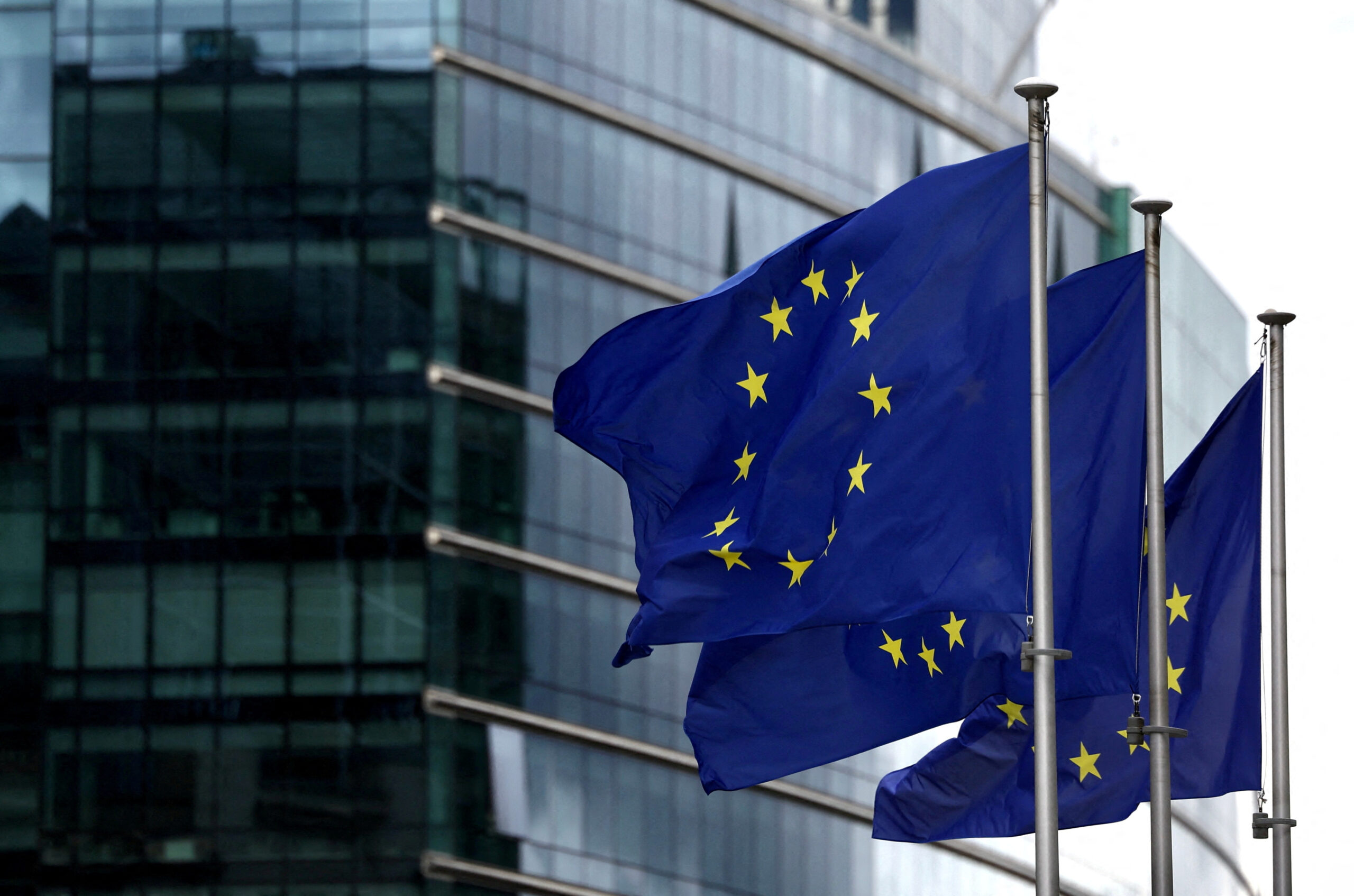
The European Union (EU) has supported the training of Nigerian journalists, media organisations, civil society groups, content creators and fact-checking platforms to address misinformation, hate speech and AI-generated content ahead of the 2027 general elections.
This development comes amid concerns on the conduct of the 2027 general elections,and the need for peaceful polls. The election is scheduled to hold in January, 2027.
The intervention, implemented under the EU Support to the Economic Community of West African States (ECOWAS) in Peace, Security and Governance (EPSG) programme, trained 303 participants across ten workshops held in different parts of Nigeria between May and October 2026.
According to FactCheckAfrica, the implementing organisation, the activities were carried out under Component 3 of the EPSG programme, with the organisation contracted by FIAP (Fundación para la Internacionalización de las Administraciones Públicas), to strengthen the capacity of civil society organisations, media outlets, content creators and fact-checking platforms.
The report described Nigeria’s information environment ahead of the 2027 general elections as being “under strain”, citing the spread of misinformation, disinformation, hate speech and AI-generated content across different communication platforms and languages.
It noted that such content circulates in English, Hausa, Yoruba, Igbo, Ibibio and several other languages through WhatsApp voice notes, community radio, short-form videos and informal networks, as well as conventional media platforms.
FactCheckAfrica said the intervention was designed to strengthen the capacity of organisations and individuals involved in identifying and addressing information threats ahead of the elections.
Between May 18 and October 29, 2026, the organisation implemented seven activity streams across Nigeria, including eleven in-person convenings in six locations: Abuja, Lagos, Enugu, Kano, Port Harcourt and Uyo.
It was noted that the ten training workshops recorded 303 beneficiary places, comprising 158 men and 145 women, representing 47.9 per cent female participation. Participants were drawn from all six geopolitical zones of the country.
The programme also brought together 32 Gen Z content creators at an exhibition in Abuja, where 30 creative works were presented and five knowledge products were publicly launched.
In addition, 14 staff members from two fact-checking platforms, BONews Service and DNN Media, received training in AI-assisted fact-checking. Expert assessments of both platforms were also completed.
The report provided data on changes in participants’ confidence following the training sessions, stating that average confidence scores increased in every workshop where they were measured.
Ahead the general election in 2027, the programme also focused on developing electoral reference materials in Nigerian languages to support reporting and communication on election-related issues.
According to the report, validated electoral glossaries and style sheets were developed for Hausa, Yoruba, Igbo and Ibibio. The materials are intended to provide reference guides for journalists and other information producers covering electoral issues.
It was further noted that Women, youth, persons with disabilities and speakers of local languages were built into the programme.
FactCheckAfrica also noted that it organised two seminars for Wikimedia contributors to increase the availability of verified information on the online encyclopedia.
The report also documented action plans and campaign concepts developed by participants following the training sessions.
At least 98 formal action plans and campaign concepts were recorded.
The report further stated that documented step-down and community engagement sessions directly trained more than 400 people.
The activities were implemented ahead of the 2027 general elections, with the programme focusing on media organisations, journalists, content creators, civil society organisations and fact-checking platforms.
The report identified the use of multiple languages and communication channels, including social media and informal networks, as part of the challenges facing Nigeria’s information environment.
It also highlighted the role of AI-generated content in the spread of information disorder and the need for fact-checking platforms and media practitioners to develop skills for identifying and verifying such content.