

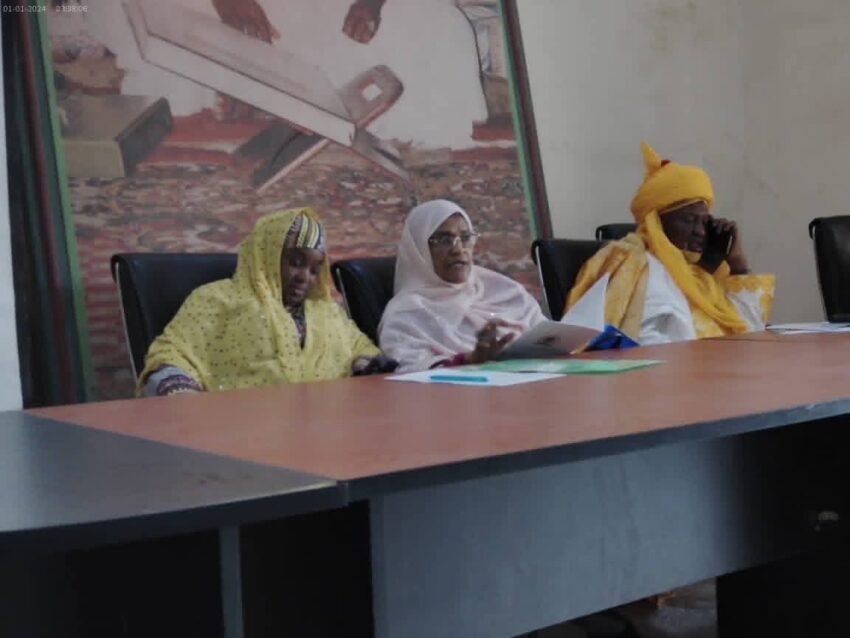
In a strategic move to strengthen Primary Healthcare (PHC) systems and improve child survival outcomes, the Kano State Contributory Healthcare Management Agency (KSCHMA) convened a high-level sensitisation and advocacy engagement with the ICSA-WINS Local Health Advocacy and Accountability Teams (LHAATs) on 19th May 2026.
Aminu Ahmad Turaki, ANIPR, the Agency’s Public Relations Officer disclosed this in a statement issued to newsmen.
According to Turaki, the engagement brought together a broad range of stakeholders, including District Head representatives, the PHCC State Coordinator, State Ward Development Committee (WDC) Coordinator, youth leaders, and other key community actors, to enhance collaboration on accountability, community-driven advocacy, and effective implementation of the Basic Healthcare Provision Fund (BHCPF) across Kano State.
In his remarks, Dr Bashir Ibrahim Muhammad, Dankadan Kano, emphasized the importance of strong community-level accountability structures to ensure healthcare interventions deliver measurable impact. He noted that transparency, effective oversight, and citizen participation are critical to improving outcomes, particularly for women and children at the grassroots.
The Executive Secretary of KSCHMA, Dr Rahila Aliyu Muktar, reaffirmed the Agency’s commitment to strengthening health systems through inclusive financing, transparency, and strategic partnerships. She stressed that collaboration with community-based platforms such as LHAATs and other stakeholders is vital to ensuring resources reach vulnerable populations.
Technical sessions highlighted KSCHMA’s operational framework and the Basic Healthcare Provision Fund (BHCPF), alongside the LHAATs model in promoting grassroots accountability, monitoring service delivery, and amplifying community voices in policy processes.
Discussions emphasized the need for improved funding, timely releases, and strengthened oversight at both state and Local Government Area (LGA) levels to sustain gains in maternal and child health. Participants also underscored the role of culturally sensitive communication in promoting immunisation, antenatal care, and malaria prevention, while addressing misinformation and strengthening public trust.
A key outcome of the engagement was the adoption of a communiqué outlining actionable steps to strengthen collaboration, accountability, and last-mile advocacy, including improved oversight of BHCPF implementation and sustained community engagement.
The meeting concluded with a shared commitment to deepen partnership and support continuous improvements in PHC delivery across Kano State.
KSCHMA Cares: One Voice, One Health, One Future