
By Hadiza Musa
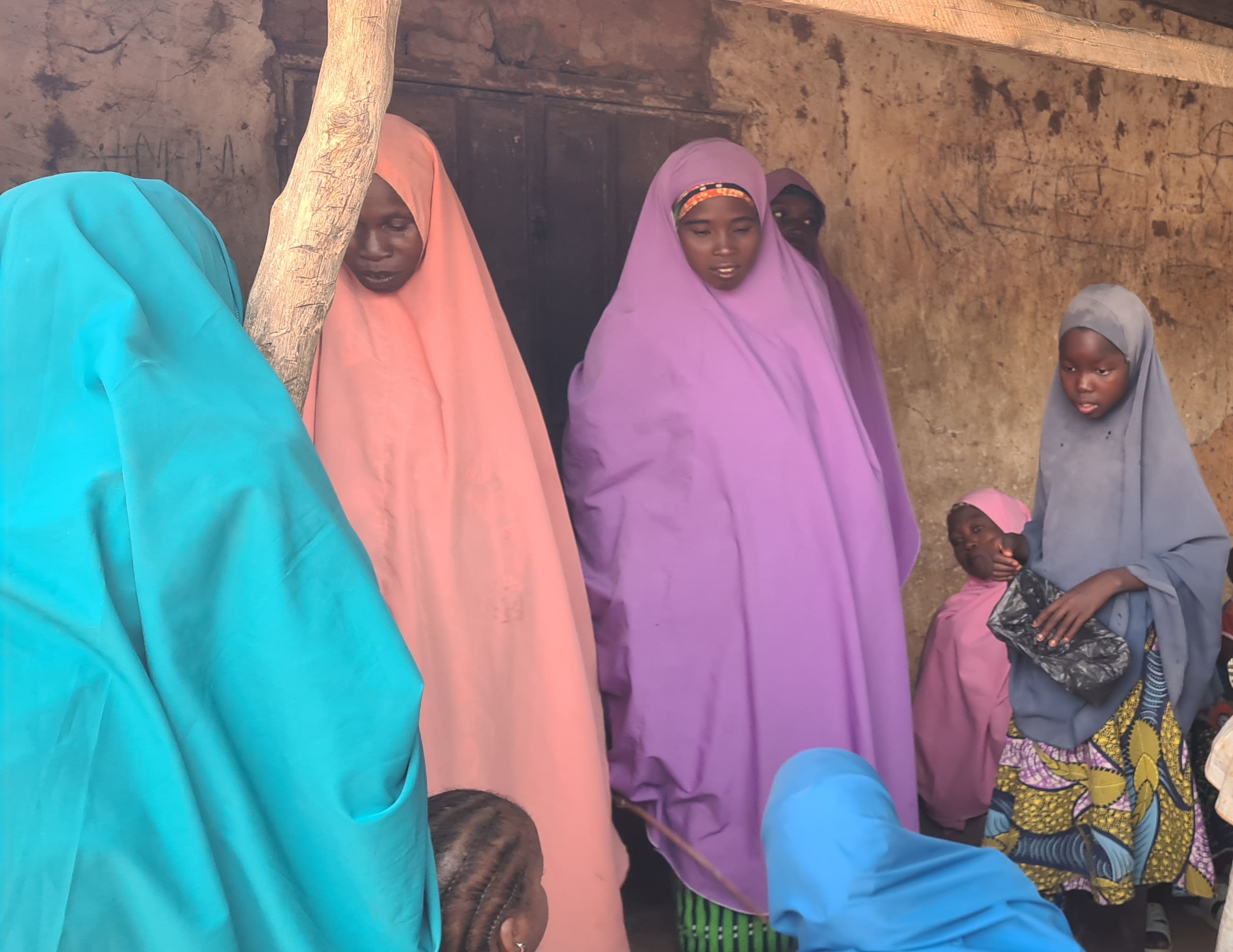
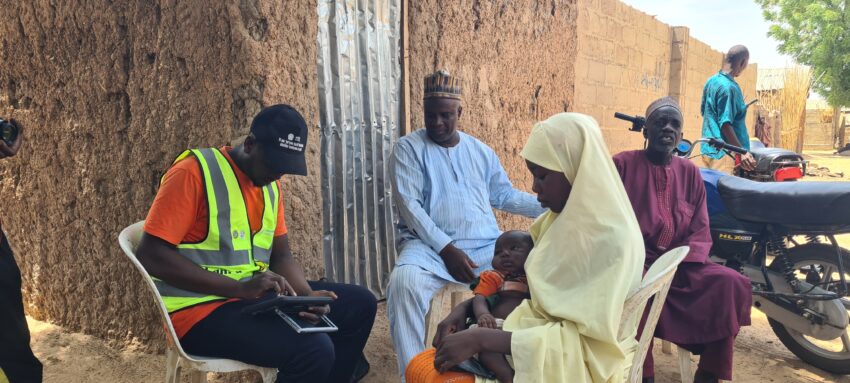
At the registration point in Waasarde Birgima, Joda Ward in Gabasawa Local Government Area of Kano State, 20-year-old Usaina Ahmad waited patiently in a queue with her eight-month-old daughter, Aisha, on her back.
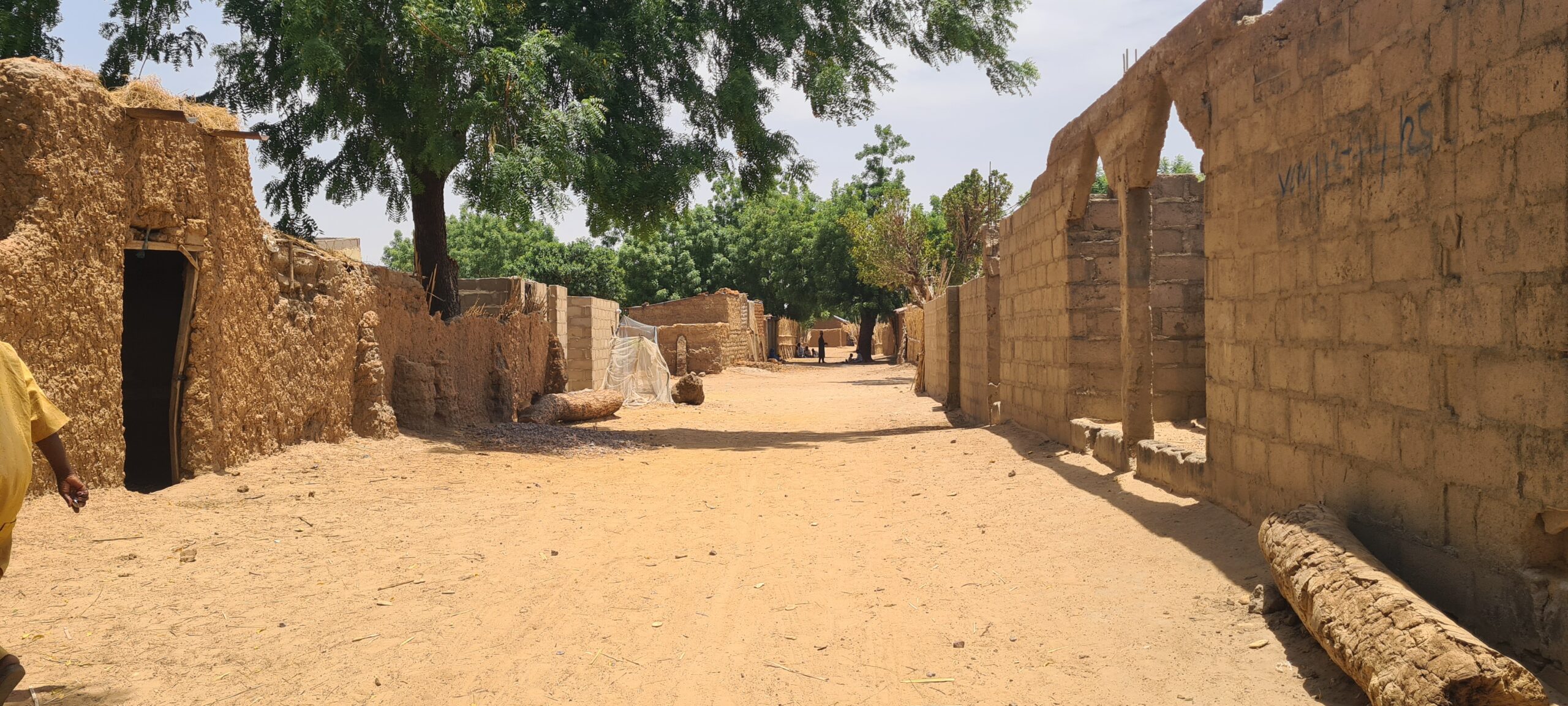
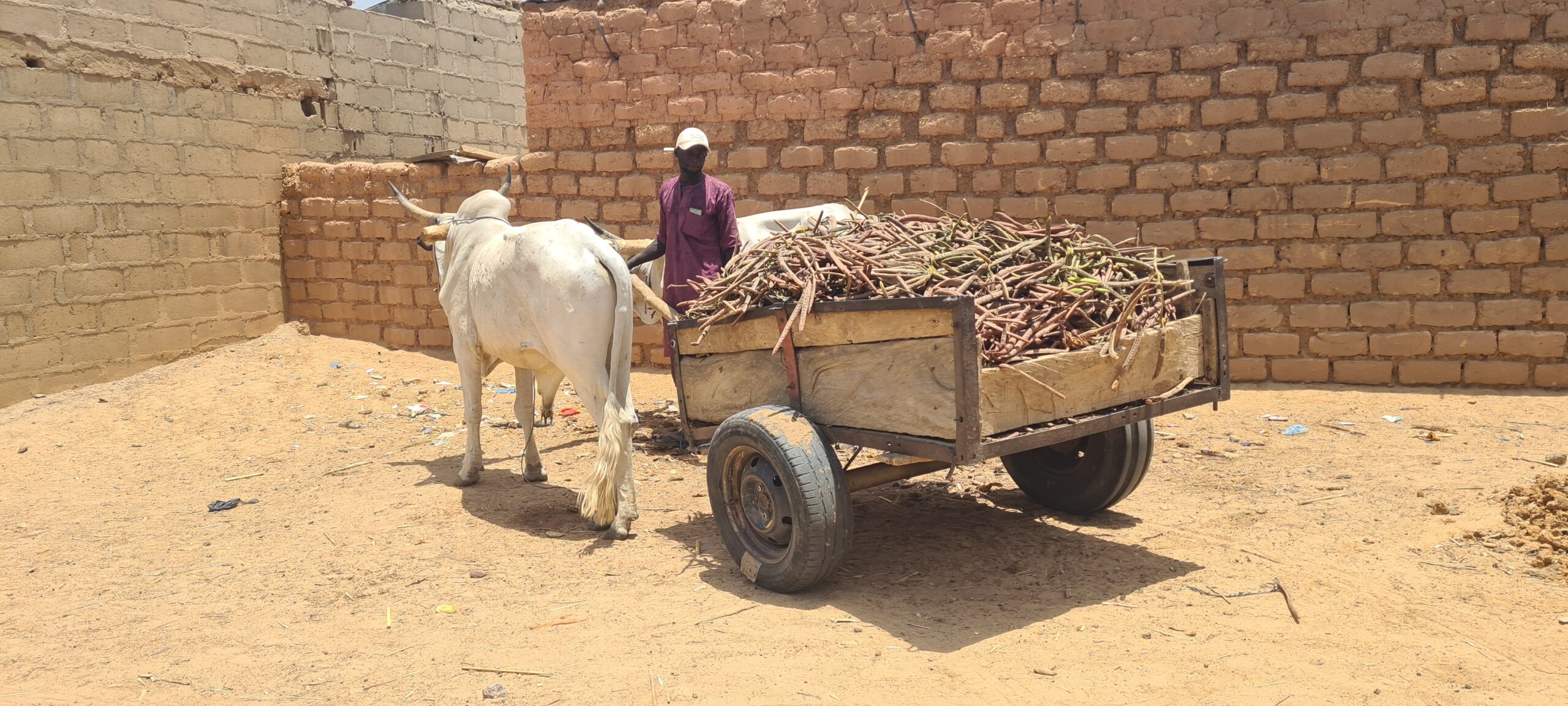
Waasarde Birgima, where the registration centre is located, is a quiet rural community characterised by clusters of modest mud houses, where government services are still gradually reaching residents.
Dressed in her blue hijab, she stood calmly among other caregivers, occasionally adjusting the child she strapped on her back, while waiting for her turn to register her baby, a step she says she never took for her first two children.
For Usaina, a mother of three from the rural community of Tsantsi, this was her first experience of birth registration.
“I didn’t do it for the other two children because I wasn’t aware, and this opportunity was not there before,” she said.
“That’s why when I heard from the community mobiliser and my husband, I came all the way here,” she explained.
Usaina travelled from Tsantsi, about 30 minutes away by motorcycle, spending ₦500 on transport to reach the registration point.
“I didn’t go to school, and I also don’t have a birth certificate. Now I understand that birth certificates are very important. They are needed for almost everything, even before a child can be registered in school. Education is the foundation of everything in life,” she said.
She also encouraged other parents to take birth registration seriously.
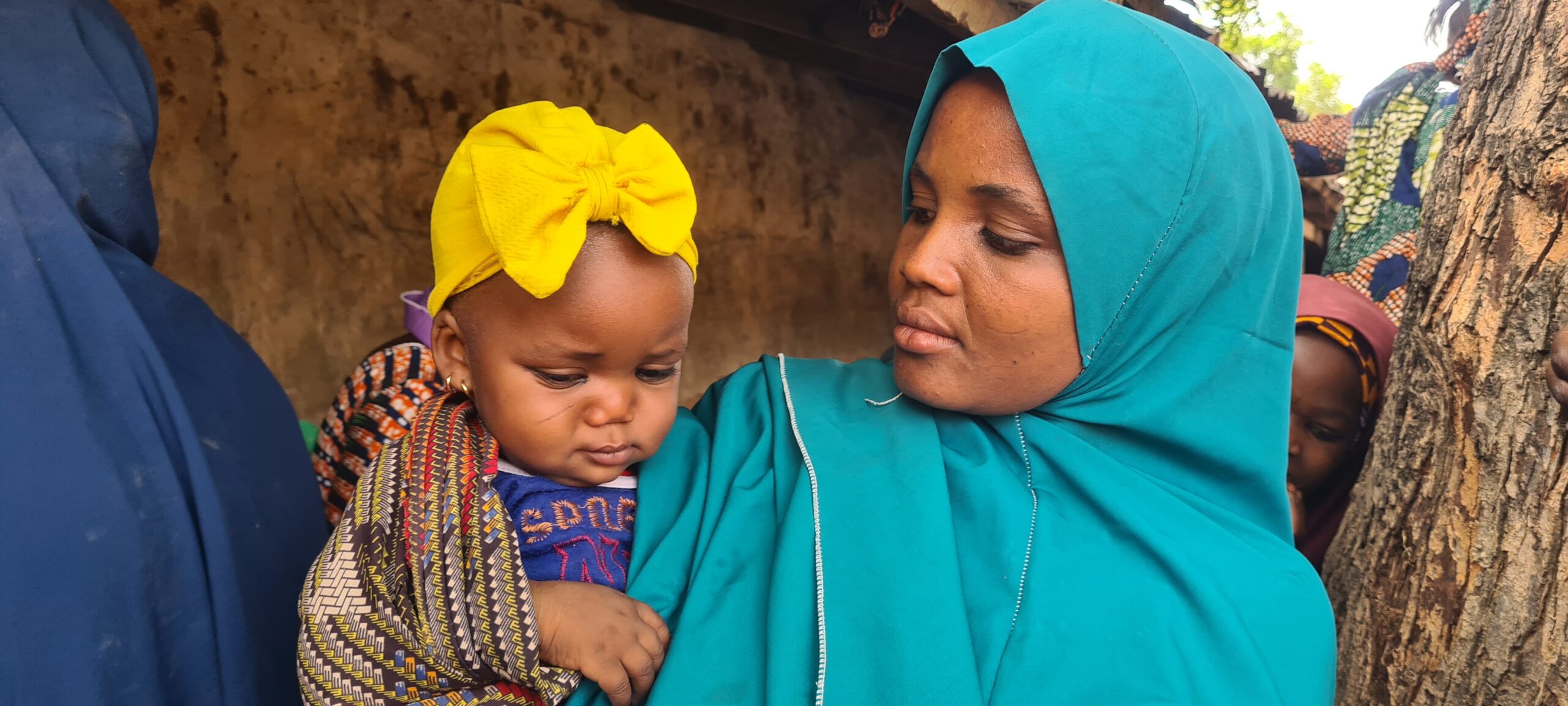
Another young mother, 20-year-old Asmau Sagiru, had just completed the registration of her only child, seven-month-old Abdulrahman, when she spoke to our correspondent at the registration point.
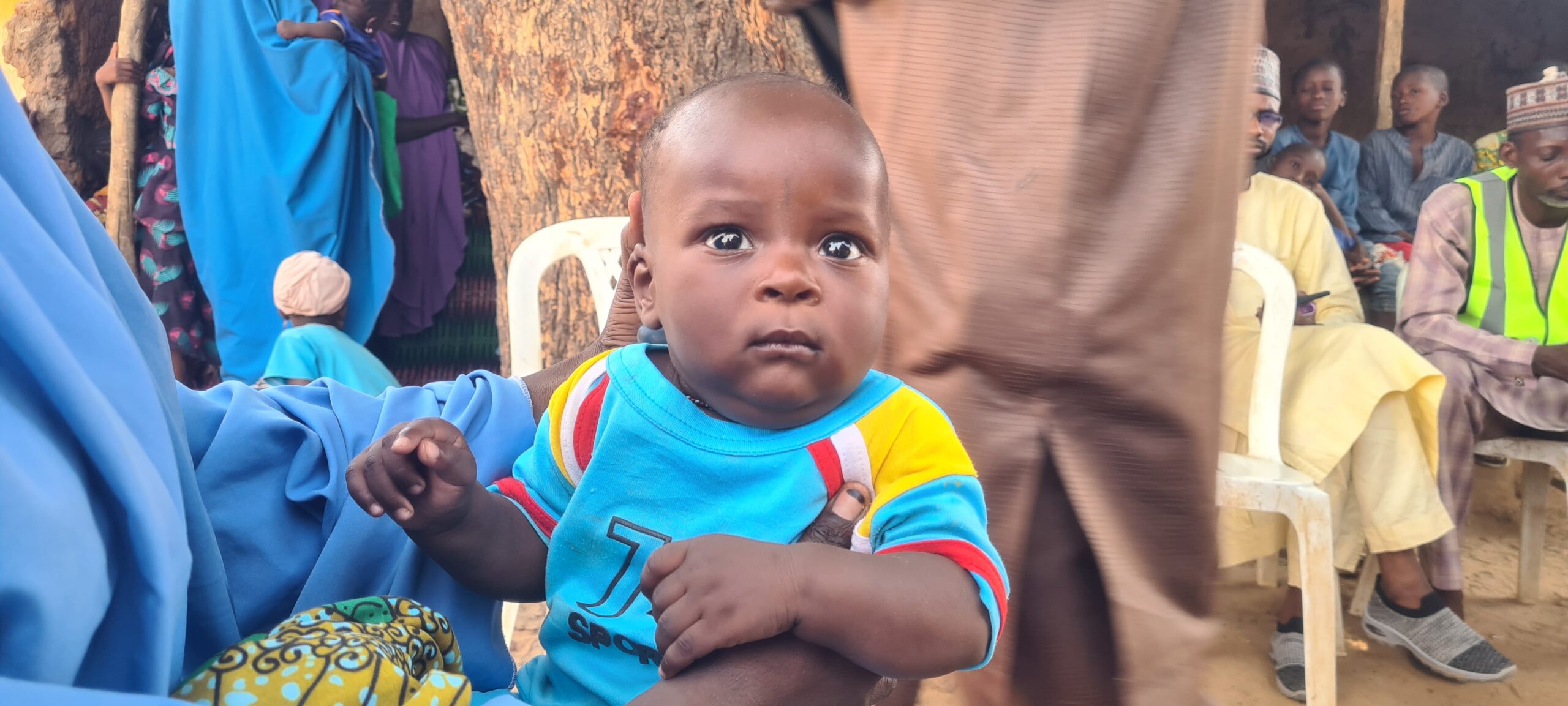
Asmau, a petty trader from Unguwar Yamma, a nearby community about a ten-minute walk away, said her baby was delivered at home and this was her first experience with birth registration.
She explained that it was her husband who informed her about the exercise and encouraged her to come.
For Asmau, securing a birth certificate for Abdulrahman is a step toward giving him opportunities she believes every child deserves, especially access to education.
626 babies registered in Joda Ward – Focal Person
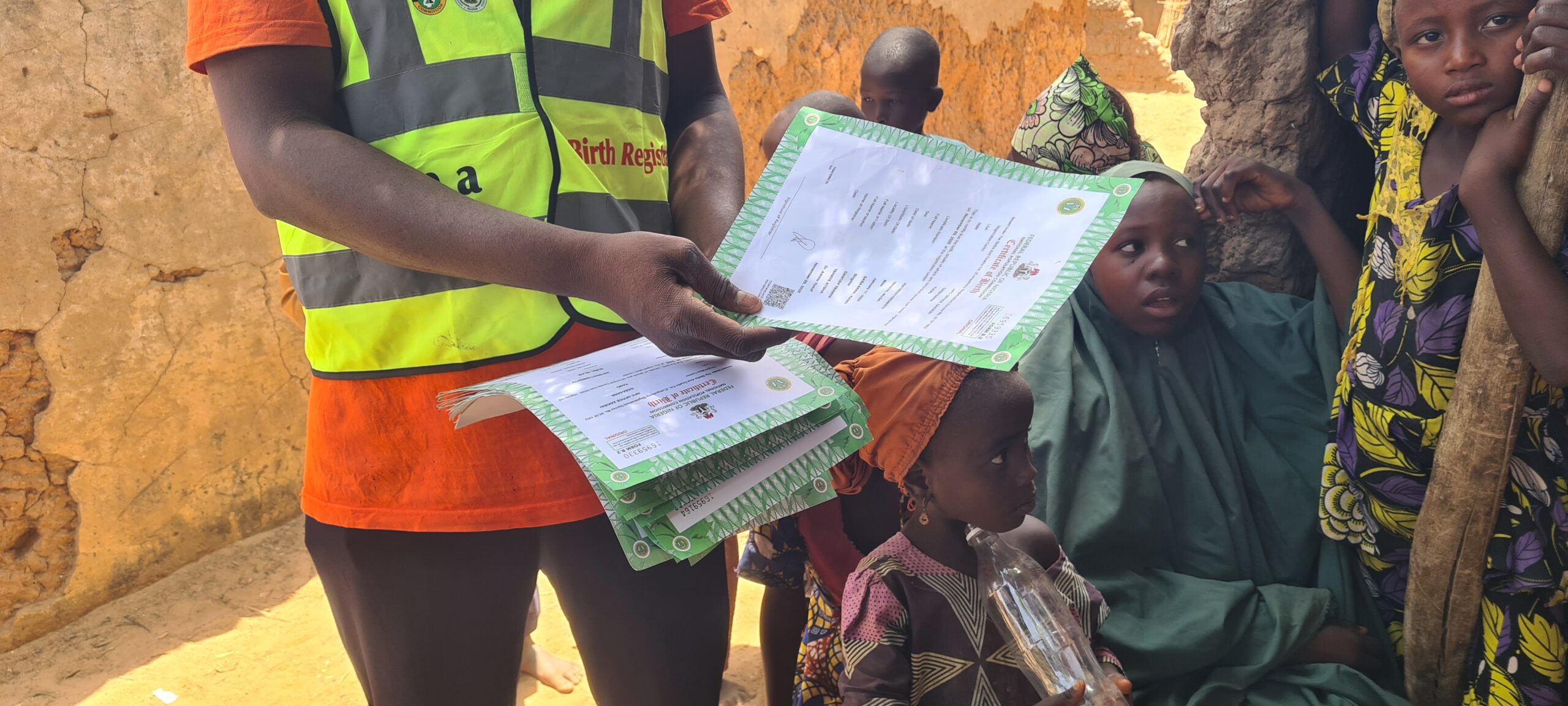
The Focal Person for birth registration in Joda Ward, in Gabasawa, Abba Hussein, has said that 626 children under the age of one have been registered across different communities in the ward as part of the ongoing National Population Commission (NPC) exercise in Kano State.
He disclosed this while speaking on the progress of the exercise.
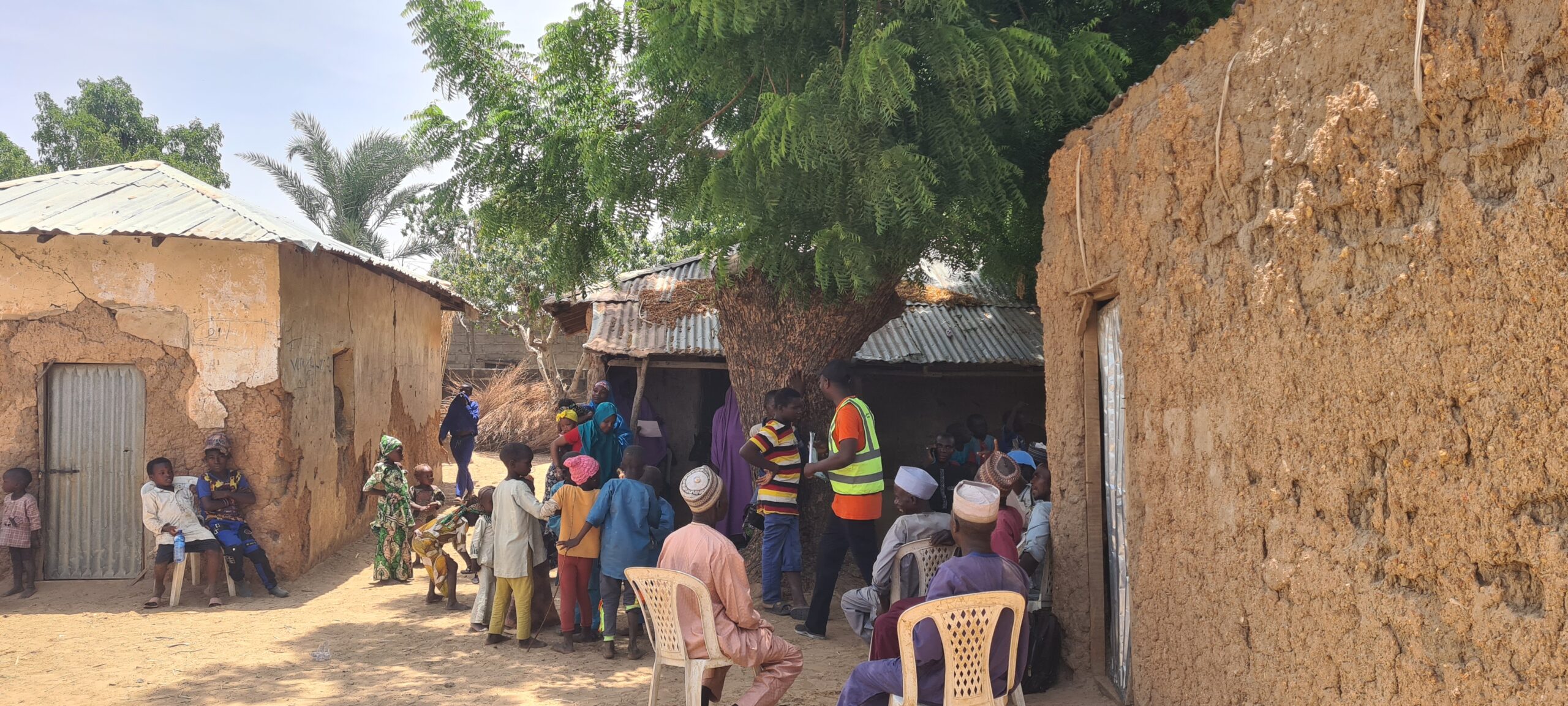
“I am already familiar with the people in the ward, and I have been working with them since September, 2025 across different communities,” he said.
Hussein explained that the exercise is designed to ensure that children are captured early in life.
He revealed the overall target for Gabasawa Local Government Area.
According to him, each ward is expected to contribute significantly to the total number of children to be registered.
“The target for Gabasawa is 12,000 children. We have 11 wards in Gabasawa, which means each ward is expected to register about 1,100 children.”
According to him, Joda Ward has already recorded 626 registrations, showing steady progress toward its target.
Low awareness still a challenge in birth registration – ALGON Chair
The Chairman of the Association of Local Governments of Nigeria (ALGON), Gabasawa Local Government Area, Aliyu Wada, said that low awareness remains one of the major challenges affecting birth registration in rural communities of Kano State.
The ALGON chairman said awareness gaps remain a major setback, especially in rural communities where many parents still do not understand the importance of the exercise.
“Challenges are still there, especially from the society itself. People are not fully aware of the importance of birth registration,” he said.
He explained that efforts are being made to address the gap through training and mobilisation, including training-of-trainers programmes and collaboration with the National Orientation Agency (NOA) to sensitize communities.
“We have done training at state level and stepped it down to ward level. We also partnered with NOA to mobilise and give more information to the community.”
“We normally go out to monitor what is happening, the challenges and the achievements,” Wada said.
According to him, ALGON’s role in the birth registration includes providing offices across all 44 local government areas in Kano State, as well as deploying staff at ward and local government levels to support the registration process.
Wada warned that in the near future, birth registration may become a key requirement for accessing basic services and the data may eventually play a major role in national planning, including future census activities.
“Very soon, with digital transformation, it will become mandatory. For example, a child may not be enrolled in school without a birth certificate.”
He also noted that the system will help provide legal identity for children and contribute to protecting them from risks such as trafficking and other forms of exploitation.
He, however, stressed that community awareness and participation remain key to the success of the programme.
Birth certificate child’s first right – NPC Director
The Director of the National Population Commission (NPC) in Kano, Bashir Muhammad Dambazzau, described birth registration as the first right of every child.
He stressed that no child should be left undocumented.
Dambazzau made this known during a monitoring visit to the birth registration exercise in Waasarde Birgima, Joda Ward of Gabasawa Local Government Area, on Saturday where he commended the turnout of parents who brought their children for registration.
“This process will enable children to have their first birth right, We are making sure that all children, especially those between zero and one year, are properly captured.”
He explained that the commission has introduced electronic vital civil registration (e-VCR), which includes mobile registration and printing of certificates, to make the process easier and more accessible to rural communities.
The NPC director also appreciated development partners, particularly UNICEF, for providing technical support to improve birth registration across the state.
The “Accelerating Birth Registration and Leave No Child Behind in Nigeria 2026” initiative is a joint programme of the National Population Commission (NPC), the National Identity Management Commission (NIMC), the Association of Local Governments of Nigeria (ALGON), Banksforte Technologies Limited, and UNICEF, with financial support from the Government of the Netherlands.