

From Umar Dankano Yola
A total of 10,000 electric tricycles, 300 electric taxis and 30 electric buses will soon be deployed to ease transportation challenges and create employment for young people in the North-East region.
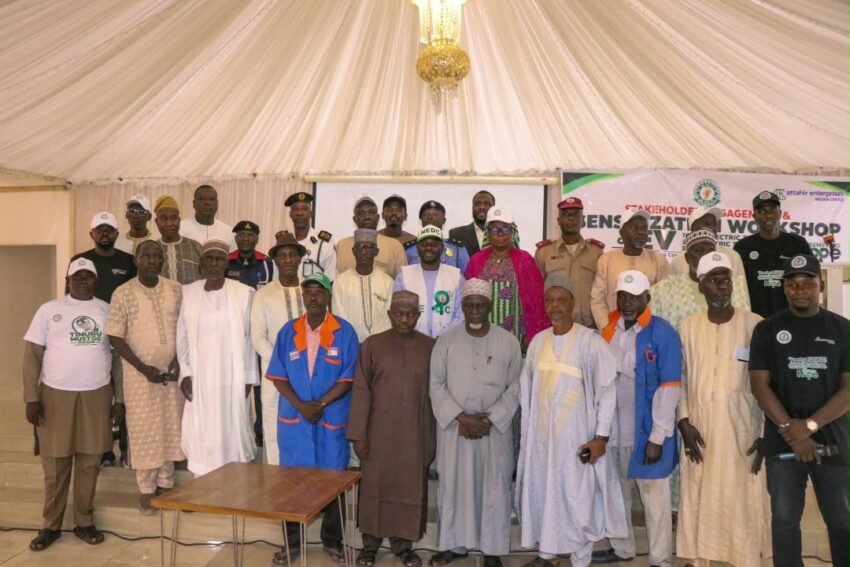
The Adamawa State Coordinator of the North-East Development Commission (NEDC), Barrister Khalifa Muhammad Lawan, disclosed this at a stakeholders’ engagement and sensitisation workshop held in Yola on Thursday, stressing that the initiative would also promote environmentally friendly mobility.
Barrister Lawan said the commission aimed to ensure that its programmes benefited households across the North-East, noting that it was established to accelerate development in the region through interventions in education, infrastructure, training, transportation and other sectors.
Lawan announced that Adamawa State was expected to receive more than 1,000 electric tricycles, alongside electric taxis and buses. He explained that the electric mobility initiative was designed to reduce transportation costs, create business opportunities and improve access to affordable transport.
He also highlighted the importance of providing charging infrastructure to ensure the sustainability of the project, saying the commission planned to establish at least two or three charging stations in each North-East state, with the possibility of expanding the network.
According to him, the initiative aligned with the Federal Government’s efforts to reduce transportation costs and improve the welfare of people at the grassroots. He urged beneficiaries to take proper care of the vehicles to ensure the sustainability of the programme.
“The project was intended not only to improve transportation but also to support a cleaner environment and create additional business opportunities”. The Cordinator said.
In his remarks, the Chief Executive Officer of Attahir Enterprise Nigeria Limited, Umar Bunu Abacha, described the initiative as part of a broader effort to develop an efficient, inclusive and sustainable transportation system.
Abacha said the workshop was organised to familiarise stakeholders with the programme’s objectives, expected benefits and operational framework. It also provided an opportunity for information sharing, clarification and discussion of stakeholders’ responsibilities for successful implementation.
The Commissioner for Transport, Mrs Rumpe Anthony, also said the workshop would improve stakeholders’ understanding of the NEDC’s interventions in the transport sector.
Anthony stressed the need to establish adequate charging points before the vehicles were deployed, citing concerns about the state’s unreliable electricity supply. She added that the initiative could empower beneficiaries and ease transportation difficulties, and emphasised the need for proper vehicle management to protect lives and property.
A facilitator at the workshop, Emmanuel Mwada Wapah, highlighted the potential environmental and economic benefits of electric vehicles, emphasising that they could reduce noise and exhaust emissions while supporting energy security and economic activity.
Wapah explained that the vehicles’ performance would depend on proper charging and maintenance. He said they could cover up to 300 kilometres on a full charge and that charging could take about one hour under the specified conditions.
He advised beneficiaries not to allow the batteries to become completely depleted before recharging them, noting that proper maintenance would be important for extending the vehicles’ service life.
The workshop, themed “Powering the North East embracing electric mobility for a cleaner, smarter and prosperous future”, attracted stakeholders from transport unions and other groups, as well as drivers, mechanics and security agencies. Participants also asked questions and sought clarification on the programme’s implementation and operational requirements.