

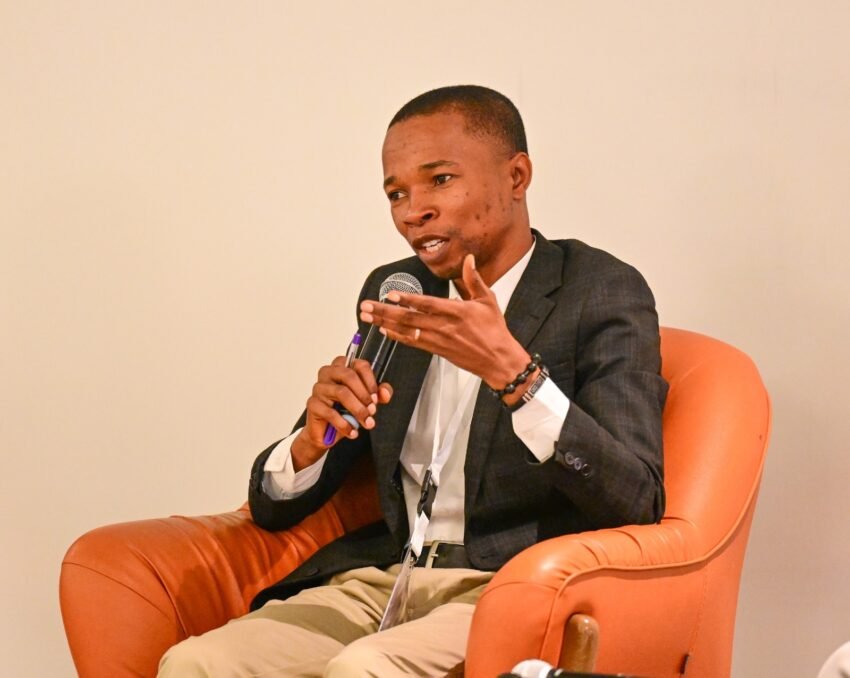
Nigerian researcher and Africa Pandemic Sciences Collaborative Individual Policy Exchange Programme (iPEP) Fellow, Michael Olaogun, has called on African researchers to prioritise strategic engagement with legislative institutions as a critical pathway to translating scientific research and innovations into responsive public policies and sustainable development outcomes.
Olaogun made the call during a panel session at the ongoing iPEP Foundational Workshop in Kigali, Rwanda, where African researchers, public health practitioners, policymakers, and other stakeholders are converging to strengthen research capacity, policy engagement, and pandemic preparedness and response across the continent.
Speaking during the session alongside colleagues from other African countries, Olaogun emphasised that researchers must look beyond generating scientific evidence and deliberately engage the institutions responsible for making laws, approving public budgets, exercising oversight, and shaping policy priorities. According to him, legislatures remain critical actors in ensuring that research findings inform public decisions, institutional reforms, and resource allocation.

He noted that the disconnect between research production and policy application remains a significant challenge across many African countries. He therefore urged researchers to develop deliberate legislative engagement strategies that include evidence-based policy briefs, legislative dialogues, committee engagements, public hearings, and sustained interactions with lawmakers and legislative support institutions.
Olaogun further stressed that effective engagement requires researchers to understand legislative processes, identify relevant parliamentary committees and policy champions, and communicate research findings in accessible, timely, and actionable formats. He maintained that scientific evidence is more likely to influence public policy when it responds to legislative priorities and is presented in ways that support decision-making.
Drawing from his experience in legislative strengthening, governance programming, research, and policy engagement, Olaogun highlighted the importance of building mutually beneficial relationships between researchers and legislative institutions. He argued that such partnerships would not only improve the uptake of research findings but also strengthen legislative capacity to scrutinise public health policies, monitor implementation, and promote accountability in pandemic preparedness and response.
His intervention aligns with the broader objectives of the iPEP Fellowship, which seeks to equip emerging African researchers and policy practitioners with the knowledge, networks, and practical skills required to strengthen Africa’s pandemic sciences ecosystem and advance evidence-informed policymaking.
Olaogun’s participation reinforces the growing recognition that Africa’s pandemic preparedness agenda must extend beyond scientific discovery to encompass effective governance, institutional collaboration, legislative accountability, and the strategic use of locally generated evidence in shaping public health decisions.