

From Umar Dankano, Yola
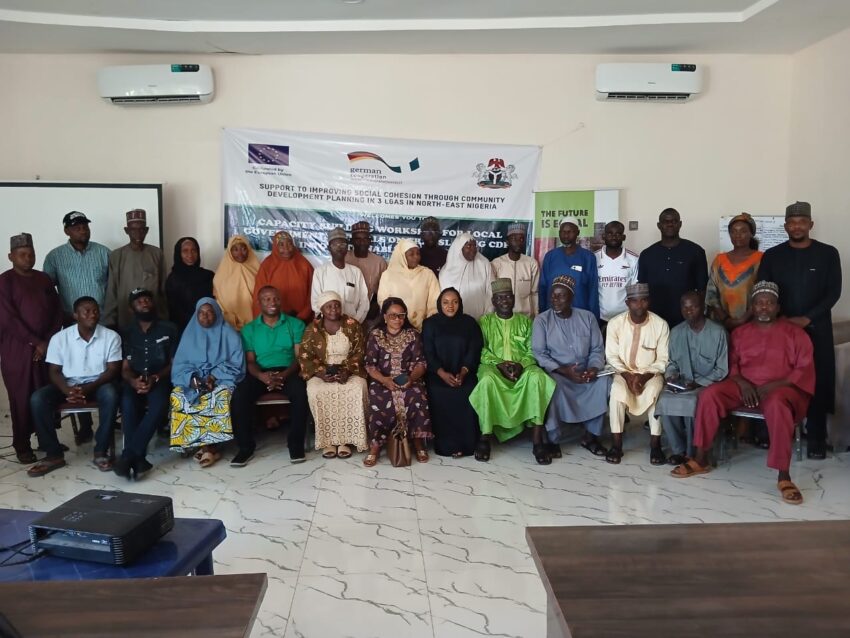
Oxfam, in partnership with Yaharakari Foundation, CRUDAN, and the Community Development and Reproductive Health Initiative (CDRHI), has trained key stakeholders on translating Community Development Plans (CDPs) into actionable budgets in Borno and Adamawa states.
The training followed months of extensive consultations, stakeholder engagements, and grassroots participation, during which community needs and priorities were identified and incorporated into Community Development Plans aimed at driving sustainable development.
Speaking during the training sessions held in Biu and Kwaya Kusar Local Government Areas of Borno State, as well as Guyuk Local Government Area of Adamawa State, Oxfam Project Coordinator, Samuel Lashon, said the workshop was designed to strengthen stakeholders’ capacity to transform CDP documents into implementable budget proposals.
According to him, Oxfam and its partners had earlier facilitated inclusive and participatory engagements with communities across the benefiting areas, allowing residents to articulate their needs and development challenges, which were subsequently reflected in the CDP documents.
Lashon explained that the training was necessary to ensure that the plans contained in the documents are effectively integrated into local and state government budgets.
He added that the initiative would equip critical stakeholders with the skills needed to champion the translation of community priorities into government budgets, thereby improving service delivery and ensuring that development interventions respond to citizens’ actual needs.
“Oxfam and its partners are pleased that community voices are shaping budgets at both state and grassroots levels and helping to drive meaningful development across rural communities,” he said.
Lead consultant and resource person, Dr. Olayemi Olufemi of Vantage Energy Consultants Limited, said the initiative aligns with global best practices that place the needs and aspirations of citizens at the center of governance and development planning.
Olufemi noted that the training would empower local government officials to effectively incorporate community development priorities into state budget processes, thereby increasing the likelihood of legislative approval and implementation.
“The translation of CDP documents into actionable budgets is a key component of modern governance and participatory development,” he stated.
Participants described the training as impactful and timely. Temau Chinero, a participant from Guyuk Local Government Area, said the workshop enhanced his understanding of community budget planning and how citizens’ voices can influence government spending.
Similarly, Mrs. Uria Daniel described the exercise as a motivational and timely intervention, noting that previous administrations often implemented projects without consulting communities, resulting in initiatives that did not address local needs.
Also speaking, Abdulaziz Shuaibu of the Adamawa State Ministry of Budget and Economic Planning emphasized the importance of the training in bringing government closer to the people.
He described the workshop as a valuable platform for local government officials and stakeholders to ensure that community development priorities captured in the CDPs are reflected in government budgets for sustainable grassroots development.