
From Tongnaan Bawa Jos
Stakeholders in the agricultural sector have intensified calls for the adoption of agroecological practices to boost food security and protect the environment, following a one-day step-down training workshop held in Jos.
The training, themed “Promoting Agroecology through Biofertilizer and Biopesticide Production for Food Security,” was organised by the Youth for Environmental Sustainability and Development (YESD) with support from the Health of Mother Earth Foundation (HOMEF).
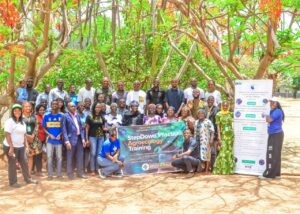
It brought together over 40 smallholder farmers, including women and persons with disabilities, at the Alliance Française Conference Hall.
Speaking at the opening, the Founder and Team Lead of YESD, Adesuwa James Jang, described the workshop as a strategic step toward transforming food production systems through sustainable and environmentally friendly practices.
“Today is not just another training—it is a deliberate step toward transforming how we produce food, protect our environment, and secure our future,” she said.
Jang noted that the initiative was designed to address key challenges faced by farmers, including declining soil fertility, high cost of chemical inputs, and the growing impact of climate change.
She emphasized the need to empower farmers with practical, low-cost alternatives such as biofertilizers and biopesticides.
According to her, participants were expected to actively engage in the training, acquire hands-on skills, and transfer knowledge to other farmers within their communities.
“By the end of today, you should feel
confident to replicate these practices on your farms and share the knowledge widely,” she added.
The workshop focused on building farmers’ capacity in producing organic inputs using locally available materials, while also raising awareness on the environmental and health risks associated with chemical pesticides and genetically modified organisms (GMOs).
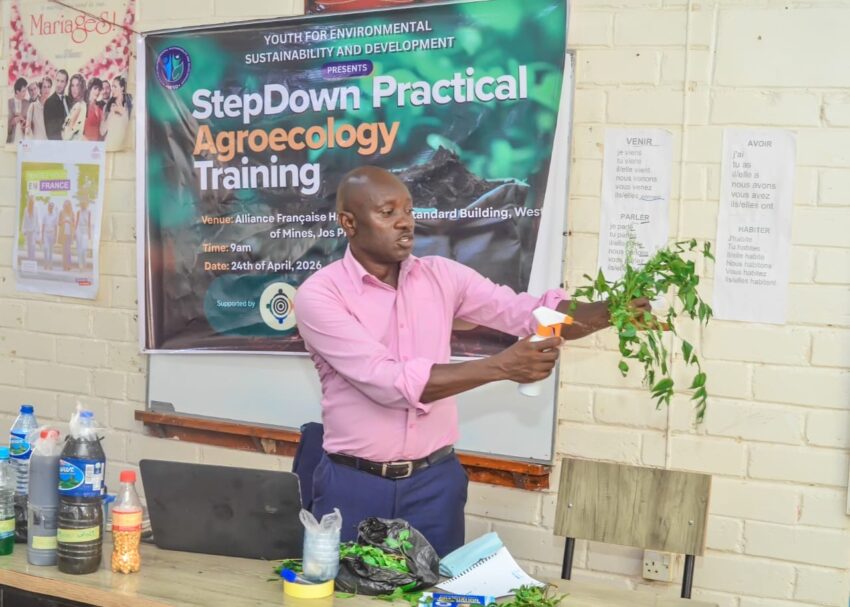
Participants were taken through practical sessions on agroecology, soil health, and the step-by-step production of biofertilizers and plant-based biopesticides.
Facilitators also stressed the importance of preserving indigenous seeds, with plans to establish a community seed bank and demonstration plot.
Organisers highlighted that the inclusive nature of the training ensured participation from diverse groups, reinforcing the importance of equitable access to sustainable agricultural knowledge.
The initiative is expected to improve farmers’ adoption of climate-resilient practices, reduce dependence on synthetic inputs, and enhance soil health and productivity across farming communities.
Jang expressed appreciation to partners, including the Coalition for GMO-Free Nigeria Campaign and HOMEF, for their support in advancing sustainable agriculture.
“The future of our food systems and environment depends on the choices we make today,” she said.
The workshop marks a significant step in promoting agroecology in Plateau State, underscoring the role of collaboration in building resilient and sustainable food systems in Nigeria.