

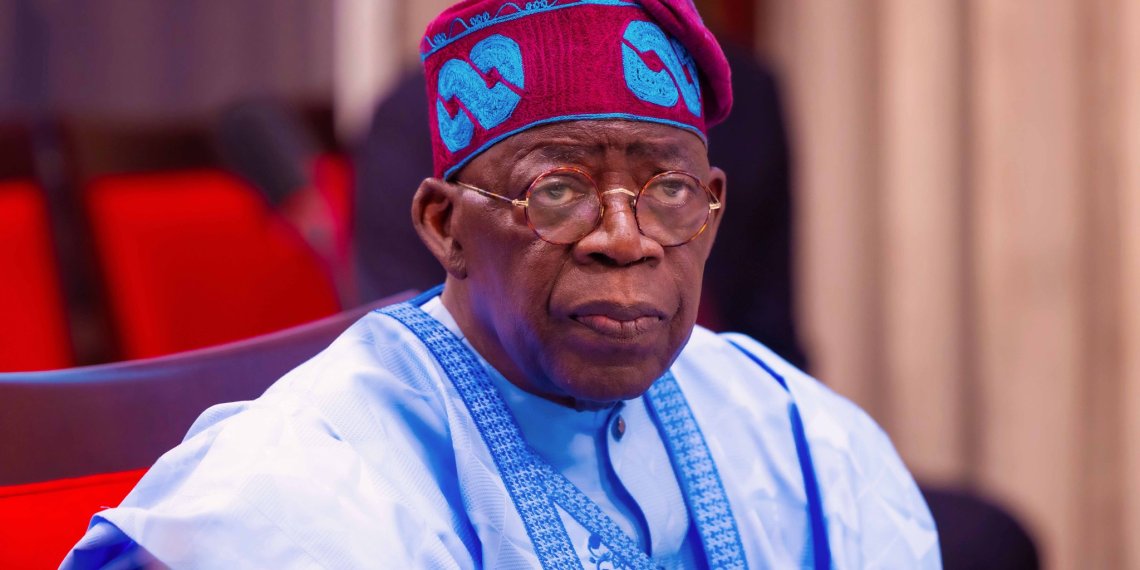
Tinubu’s Misadventure: The Search For A Credible Alternative
By Mahmud Shuaibu Ringim
Three years into the administration of President Bola Ahmed Tinubu, one of the central promises of his Renewed Hope Agenda—the creation of one million jobs—remains largely unfulfilled. Instead, the manufacturing sector, which should serve as the backbone of job creation, continues to shrink. Many companies have shut down, while others operate far below their installed capacities.
The President’s pledge to provide stable, round-the-clock electricity has also failed to materialize. Rather than improving, power supply has deteriorated, with repeated national grid collapses worsening an already challenging situation. It is worth recalling that President Tinubu once urged Nigerians not to re-elect him if he failed to deliver on this critical promise.
The removal of fuel subsidy, announced during his inaugural address on May 29, 2023, imposed significant hardship on ordinary Nigerians. The resulting economic pressures fueled inflation, weakened purchasing power, and compounded existing security challenges across the country.
Since assuming office, there has been no significant improvement in the real income of Nigerian workers. For many households, putting food on the table has become an increasingly difficult task as the cost of living continues to rise.
The Renewed Hope Agenda has had far-reaching consequences for the Nigerian economy. It has weakened the social fabric, intensified economic hardship, and raised concerns about attempts to weaken opposition voices, thereby undermining the vibrancy that is essential to a healthy democratic system.
Sustainable infrastructure remains the foundation of economic productivity and capital inflow. However, Nigeria’s current reality is characterized by inadequate infrastructure and slow economic growth. Even a basic understanding of economics suggests that excessive taxation alone cannot drive development. Unfortunately, many of the administration’s fiscal policies appear focused on revenue generation without corresponding support for the private sector, particularly manufacturing.
Manufacturing remains the primary vehicle for job creation, wealth generation, and industrial development. Yet Nigeria’s dependence on imported finished goods continues to increase as local industries struggle to survive. The decline is especially evident in major industrial centres such as Kano and Kaduna, where once-thriving factories have either closed down or significantly reduced operations.
Another area of concern is the continued importation of refined petroleum products despite Nigeria’s vast oil resources. Many state-owned refineries have become shadows of their former selves, while the nation continues to spend scarce foreign exchange on imports that could be produced locally.
History offers useful lessons. During the administration of President George W. Bush, the United States introduced intervention measures to support key industries facing collapse. Such policies helped preserve jobs and sustain industrial capacity during difficult economic periods.
President Tinubu should consider similarly bold initiatives aimed at reviving Nigeria’s manufacturing sector.
Meanwhile Dangote Industries has started rolling out the product into the market. This has added another portfolio in his industrialisation drive to expand his investment vehicle into automobile manufacturing with the resuscitation of Peugeot Automobile Assembly Plant in Kaduna. With the right mix of policies and international partnerships, dormant automobile assembly plants such Volkswagen in Lagos, Steyr in Bauchi, Fiat in Kano, and Mercedes-Benz can equally be rehabilitated. Given Nigeria’s political stability and market potential, sound economic policies could restore the country’s position as West Africa’s manufacturing hub and a leading investment destination.
The establishment of an Industrial Development Fund is also imperative. Such a fund would not only support the revival of closed factories but also encourage the creation of new industrial enterprises capable of generating employment opportunities for millions of Nigerians.
During President Olusegun Obasanjo’s first term, the Office of the Special Adviser on Manufacturing was established. The office provided the manufacturing sector with representation in policy discussions and ensured that critical issues such as tariffs, import duties, and industrial incentives received adequate attention.
Today, the manufacturing sector is on its knees. Rising operational costs, weak consumer demand driven by declining disposable income, and persistent inflation have combined to create a hostile business environment.
Under these circumstances, it would be prudent for the incoming administration after 2027 Presidential election cycle to re-establish the Office of the Special Adviser on Manufacturing. Such an office would provide timely information and strategic advice on developments within a sector that remains central to job creation, industrial growth, and national prosperity.
It is also important to note that many countries adopt protective economic measures to support domestic industries and safeguard employment. Nigeria must similarly formulate policies that encourage local production and reduce excessive dependence on imports.
The country possesses vast deposits of non-metallic minerals used in the production of ceramic sanitary ware and related products. Yet Nigeria continues to spend significant foreign exchange importing goods that could easily be produced locally. Once-thriving ceramic manufacturing plants in Kano, Ota, and Umuahia now stand as painful reminders of misplaced priorities and missed opportunities.
Time is gradually running out for the Tinubu administration to reverse the current trend. A credible alternative may become increasingly attractive to Nigerians if the present challenges persist and remain unaddressed.
In this regard, Mohammed Hayatudeen’s track record in transforming FSB International Bank and contributing to the advancement of the Northern Nigeria Development Company (NNDC) presents an interesting case study in leadership and institutional reform. His experience in organizational turnaround could prove valuable in addressing Nigeria’s economic challenges, particularly in reviving the manufacturing sector and creating employment opportunities for the country’s growing youth population.
The emerging political alliance within the African Democratic Congress (ADC), including the involvement of prominent political actors such as Atiku Abubakar and Mohammed Hayatudeen, presents voters with an opportunity to evaluate alternative policy options ahead of future elections.
Meanwhile, President Tinubu should maintain continuous engagement with the Manufacturers Association of Nigeria (MAN) to identify practical solutions to the obstacles confronting industrial development.
The re-establishment of the Office of the Special Adviser on Manufacturing remains a compelling necessity. It would provide the Presidency with direct insight into the challenges facing the sector and support efforts to fulfill the administration’s job-creation objectives.
The protection and revitalization of Nigeria’s manufacturing sector is a national imperative.
Aliko Dangote remains a shining example of indigenous industrial entrepreneurship. His investments demonstrate what can be achieved when local investors are empowered to harness Nigeria’s abundant resources. The government should not only celebrate such achievements but also create an enabling environment for more entrepreneurs to follow similar paths.
Just as Deng Xiaoping’s reforms transformed China through production-driven growth and industrialization, Nigeria can achieve sustainable economic prosperity by prioritizing local production and industrial development.
Production remains the surest path to economic growth, job creation, and national prosperity.
Mahmud Shuaibu Ringim
He can be reached via:Mahmudshuaibu44@gmail.com